
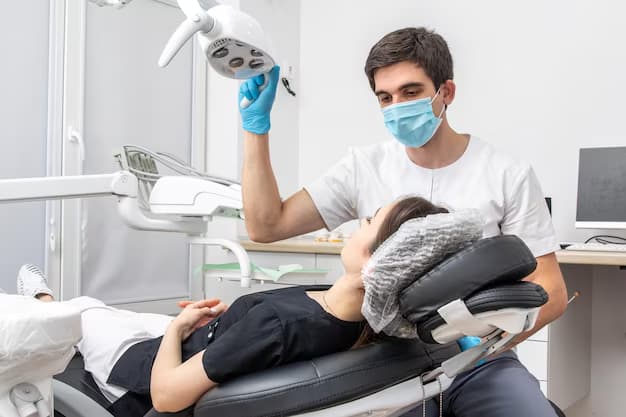
Why would a dentist you trust suddenly send you to a specialist instead of treating the tooth themselves? For many patients, this moment triggers anxiety. A referral can feel like something went wrong or that the problem is more serious than expected. In reality, being referred to an endodontist in Sherman Oaks is often a sign that your dentist is prioritizing precision, long-term success, and the health of your natural tooth.
Rather than signaling trouble, the referral usually reflects thoughtful decision-making, choosing the right level of expertise for a very specific situation.
What an Endodontist Actually Specializes In
Endodontists focus almost exclusively on the inside of the tooth, specifically the pulp, nerves, and root canal system. While general dentists perform many root canals successfully, certain cases demand advanced tools, magnification, and experience that go beyond routine treatment.
When patients are referred to an endodontist in Sherman Oaks, it’s usually because the tooth presents complexities that benefit from that specialized focus, not because the case is automatically severe.
Common Reasons for an Endodontist Referral
Referrals are typically based on anatomy, history, or diagnostic findings, not fear or uncertainty.
Situations that often warrant specialist care include:
- Persistent pain without a clear cause
- Previously treated teeth that have re-developed symptoms
- Unusual root shapes or extra canals
- Deep infections close to the root tip
- Cracks that may involve the nerve
In these cases, precision matters more than speed.
Why This Is Actually Good News for Patients
One of the biggest misconceptions is that referrals mean something has gone wrong. In reality, they often mean your dentist is being proactive.
An endodontist in Sherman Oaks is equipped to diagnose subtle issues that might otherwise lead to repeat treatment or tooth loss. This extra layer of evaluation often results in clearer answers and more predictable outcomes.
The Goal Is Tooth Preservation, Not Just Pain Relief
Pain relief is important, but saving the tooth is the real priority. Endodontists are trained to work conservatively within fragile tooth structures, minimizing unnecessary removal of healthy tissue.
For patients, this often means:
- A higher chance of keeping the natural tooth
- Reduced likelihood of retreatment
- Better long-term stability after restoration
That’s why referrals are commonly made before a situation becomes urgent.
What Patients Are Often Surprised to Learn
Many patients expect a referral visit to be more intense or uncomfortable. Instead, they’re often surprised by how focused and efficient the appointment feels.
Endodontists typically use advanced imaging and magnification, allowing them to pinpoint problems quickly. For many patients, seeing an endodontist in Sherman Oaks actually brings relief, not because treatment is dramatic, but because uncertainty is finally removed.
How General Dentists and Endodontists Work Together
A referral doesn’t mean your general dentist steps away from your care. In most cases, it’s a collaborative process. The endodontist addresses the nerve-related issue, and your general dentist completes the restoration and ongoing care.
At Clove Dental Sherman Oaks, referrals are made with continuity in mind, so patients feel supported before, during, and after specialist care.
Why This Builds Trust, Not Fear
Patients often say the most reassuring thing is knowing their dentist didn’t try to “do everything themselves.” Recognizing when a specialist can add value shows respect for the patient’s long-term health.
In endodontists in Sherman Oaks referrals, trust grows because decisions feel intentional, not reactive.
Reframing the Referral Conversation
Instead of asking, “Is this bad?”, a better question is, “What does this protect?”
In most cases, the answer is your natural tooth, your comfort, and your future treatment options.
Being referred doesn’t mean your situation is worse, it often means your care just became more precise.