
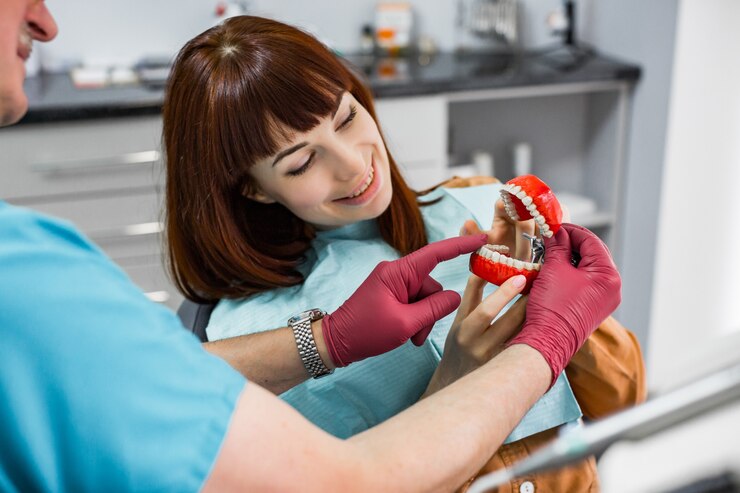
Why do so many patients say getting dentures affected them emotionally more than they expected, both positively and negatively? Because tooth loss isn’t just a physical change. It alters how people speak, smile, eat, and interact socially. For many adults exploring dentures in Sherman Oaks, the emotional adjustment comes as a surprise, not because dentures fail, but because the experience touches confidence in ways no one prepared them for.
What patients often discover is that dentures don’t just restore teeth. They change how people see themselves, how they engage with others, and how comfortable they feel being seen.
Why Dentures Feel Like More Than a Dental Treatment
Tooth loss often happens quietly over years, but dentures make the change visible all at once. Patients may intellectually understand that dentures are common and effective, yet still feel a sense of vulnerability when they first wear them.
In dentures in Sherman Oaks, dentists frequently see patients who are technically satisfied with fit and appearance, but still hesitate to laugh openly, eat in public, or speak confidently at first. That hesitation isn’t failure; it’s part of psychological adjustment.
The Fear Most Patients Don’t Say Out Loud
Many patients carry unspoken worries:
- Will people notice?
- Will I sound different?
- Will my smile look natural, or forced?
These concerns aren’t vanity. They’re about identity. Teeth play a major role in how people present themselves, especially in professional and social environments common in Sherman Oaks.
The relief often comes not from reassurance alone, but from lived experience, realizing that conversations continue normally, smiles are returned, and attention doesn’t linger where patients fear it will.
How Modern Dentures Change the Confidence Equation
Today’s dentures are lighter, more natural-looking, and more stable than past generations experienced. This matters emotionally as much as functionally.
Patients using dentures in Sherman Oaks are often surprised by how quickly others respond to their smile as “normal.” The biggest shift usually happens when patients stop monitoring themselves, when eating out feels routine again, or when a photo doesn’t trigger self-consciousness.
The Adjustment Phase No One Prepares You For
Even excellent dentures don’t instantly erase emotional habits formed during tooth loss. Patients may have spent years hiding their smile or avoiding certain foods. Letting go of those behaviors takes time.
Confidence tends to return in stages:
- First, private comfort at home
- Then, relaxed conversation with close friends
- Finally, public ease, restaurants, meetings, photos
Understanding this progression helps patients avoid unnecessary self-criticism early on.
Why Emotional Support Is Part of Good Denture Care
Technical skill matters, but empathy matters just as much. Patients often feel reassured when their dentist acknowledges that confidence may lag behind comfort.
At Clove Dental Sherman Oaks, denture care includes conversations about adaptation, expectations, and real-life use. Patients frequently say that simply knowing their emotional experience was normal made adjustment easier.
Social Confidence Often Improves More Than Expected
While anxiety is common early, many patients later describe an unexpected benefit: renewed confidence. Eating freely, smiling without hesitation, and engaging socially again often feels like regaining something that was slowly lost.
For many adults, dentures in Sherman Oaks don’t just restore function, they quietly restore presence.
Rethinking What Success Looks Like With Dentures
Success isn’t perfection on day one. It’s the moment a patient forgets they’re wearing dentures at all. It’s laughing without thinking, speaking without guarding, and feeling like themselves again.
When emotional expectations are addressed honestly, patients are better equipped to reach that point, with fewer doubts along the way.