
Key Takeaways
- Cracked teeth rarely heal or stabilize on their own. Delaying care allows cracks to spread deeper into the tooth structure.
- Minimal pain does not mean minimal damage. Early cracks can be severe even when symptoms are mild.
- The first 48 hours often determine whether a tooth can be saved. Prompt stabilization can prevent fractures from reaching the nerve or root.
- Waiting increases the likelihood of root canals or extractions. Early intervention is usually simpler and more conservative.
- Emergency evaluation is about preservation, not panic. Seeing a dentist quickly expands treatment options rather than limiting them.
If a cracked tooth doesn’t hurt much at first, is it really an emergency? This is the question that leads many patients to wait, and it’s exactly why cracked teeth are one of the most common causes of unexpected tooth loss. In reality, a cracked tooth often causes less pain early on, which creates a false sense of security. By the time symptoms escalate, the window to save the tooth may already be closing.
That’s why seeing an emergency dentist in Sherman Oaks quickly isn’t about overreacting, it’s about timing. With cracked teeth, hours and days matter more than patients realize.
Why Cracked Teeth Are So Deceptive
Unlike cavities or infections, cracked teeth don’t always announce themselves clearly. A small fracture may only cause occasional sensitivity to pressure or temperature, or no symptoms at all.
Patients searching for an emergency dentist in Sherman Oaks are often surprised to learn that the most dangerous cracks are sometimes the quietest. Each bite applies force that can slowly widen the fracture, especially in molars or teeth with old fillings.
What Happens Inside the Tooth When You Wait
A tooth crack behaves like a split in glass. It doesn’t stay the same size. Normal chewing pressure, temperature changes, and clenching allow the crack to deepen.
Within 48 hours, a crack can:
- Extend into the dentin, increasing sensitivity
- Reach the nerve, causing sudden severe pain
- Allow bacteria to enter, triggering infection
- Split the tooth vertically, making it non-restorable
Once a crack reaches certain depths, even the best dentistry can’t reverse the damage.
Why “Let’s See If It Settles” Is Risky
Many patients delay because the pain fades or feels manageable. Unfortunately, pain relief doesn’t equal stability. In fact, some cracks feel better temporarily as nerve inflammation fluctuates.
An emergency dentist in Sherman Oaks evaluates cracked teeth not just by symptoms, but by crack location, direction, and bite forces. Waiting removes options that might otherwise preserve the tooth with minimal treatment.
The Difference Early Emergency Care Makes
When a cracked tooth is evaluated early, dentists can often stabilize it before catastrophic damage occurs. Early care may involve protecting the tooth from further stress, sealing the crack, or reinforcing the structure.
Once the crack worsens, treatment escalates quickly, from crowns to root canals to extraction. The difference between saving and losing a tooth is often timing, not technology.
Why Cracked Teeth Are Increasing in Adults
Stress-related clenching and grinding, aging dental work, and heavily restored teeth all increase fracture risk. Many Sherman Oaks adults experience cracks without any obvious trauma.
This trend is why emergency dentists in Sherman Oaks searches are increasingly tied to cracked teeth rather than dramatic injuries. These are quiet emergencies with serious consequences.
What an Emergency Dentist Looks for Right Away
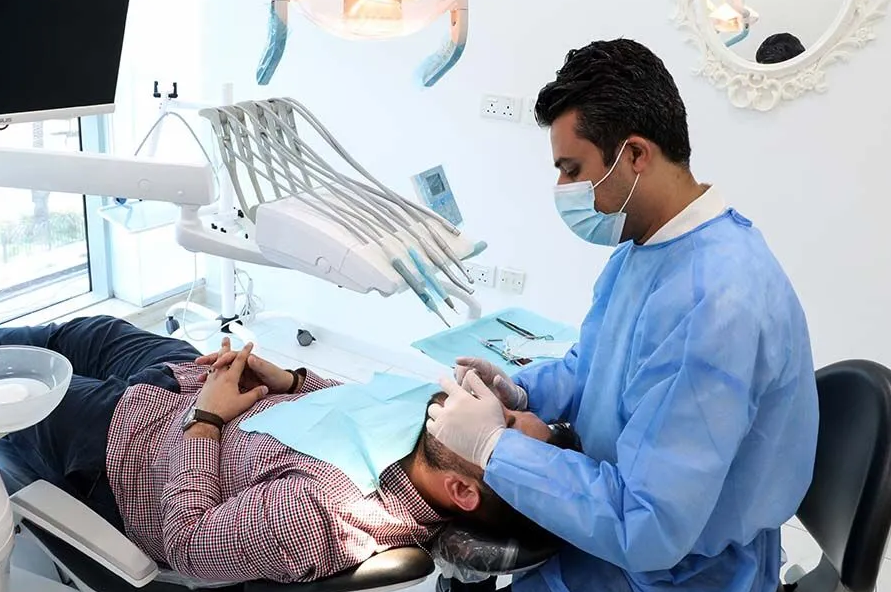
Emergency evaluation focuses on determining whether the crack is superficial or structural. Dentists assess bite sensitivity, take targeted imaging, and check how the tooth responds to pressure.
At Clove Dental Sherman Oaks, emergency cracked-tooth evaluations prioritize one goal: preserving the tooth whenever possible. Early visits often allow for conservative solutions that wouldn’t be possible days later.
Signs You Shouldn’t Wait 48 Hours
You should seek an emergency dentist in Sherman Oaks promptly if you notice:
- Sharp pain when biting or releasing pressure
- Sensitivity that comes and goes unpredictably
- A visible crack or missing piece
- Pain that worsens after chewing
- A tooth that feels “different” when you bite
These are early warnings, not reasons to wait.
Why Emergency Dentistry Is About Options
Patients often fear emergency visits because they assume the outcome will be extreme. In reality, waiting creates extremes. Acting early keeps treatment choices open.
A cracked tooth addressed promptly often has multiple pathways forward. A cracked tooth addressed late often has only one.
The Real Cost of Waiting
The cost of waiting isn’t just financial, it’s biological. Teeth can’t be replaced like-for-like. Preserving your natural tooth structure is always the priority, and time is one of the most important tools in that effort.
Seeing an emergency dentist in Sherman Oaks quickly after a crack isn’t about urgency for urgency’s sake. It’s about protecting something you can’t get back once it’s gone.
FAQs
Is a cracked tooth always considered a dental emergency?
Yes, even when pain is mild or intermittent. Cracks rarely stay stable and often worsen with normal chewing, which is why early evaluation is important even if symptoms seem manageable.
Can a cracked tooth heal on its own if I wait?
No. Teeth cannot repair fractures once they form. While pain may fluctuate, the structural damage remains and can deepen over time without treatment.
What if the pain goes away after a day or two?
Temporary pain relief doesn’t mean the crack has stabilized. In fact, symptoms can ease briefly as inflammation changes, even while the crack continues to spread.
Does a cracked tooth always require a root canal?
Not always. When caught early, treatment may involve stabilizing or protecting the tooth before the nerve is affected. Delays significantly increase the likelihood of needing more invasive care.
Can a cracked tooth still be saved after 48 hours?
Sometimes, but the chances decrease with time. Early evaluation preserves more treatment options and increases the likelihood of saving the natural tooth.
What will an emergency dentist do during the first visit?
The focus is on assessing crack depth, identifying stress points, and stabilizing the tooth to prevent further damage. The goal is preservation, not immediate aggressive treatment.