
Key Takeaways
- Gum recession changes what parts of the tooth need protection. Once roots are exposed, teeth behave differently and require a different preventive strategy.
- Fluoride works on exposed roots, but differently than on enamel. Its role shifts from strengthening enamel to protecting vulnerable root surfaces.
- Sensitivity is often the first sign fluoride may help. Discomfort is a warning signal, not something to simply tolerate.
- Fluoride is most effective as part of a broader gum-care plan. It supports protection but doesn’t replace treating the cause of recession.
- Adult fluoride treatment is about prevention, not regression. The goal is slowing damage and preserving comfort over time.
If fluoride is usually associated with cavities and kids, can it really help adults dealing with receding gums? This is a question many adults quietly search after noticing increased sensitivity, darker areas near the gumline, or discomfort when drinking something cold. For patients exploring fluoride treatment in Sherman Oaks, the confusion is understandable, gum recession feels like a structural problem, not a cavity issue.
The answer isn’t a simple yes or no. Fluoride doesn’t reverse gum recession, but in the right context, it can play a meaningful role in protecting exposed tooth roots and reducing sensitivity. Understanding how and when it helps is what turns fluoride from a generic add-on into a targeted preventive tool.
What Receding Gums Actually Do to Your Teeth
When gums recede, the tooth root becomes exposed. Unlike enamel, root surfaces are softer and more vulnerable to decay, wear, and sensitivity. This is why adults with gum recession often experience sharp sensations from cold drinks or brushing, even if they’ve never had many cavities before.
In fluoride treatment in Sherman Oaks, dentists increasingly focus on root protection because once roots are exposed, they’re far more susceptible to damage than enamel ever was.
How Fluoride Helps When Gums Have Receded
Fluoride strengthens tooth structure, but on roots, it works differently. Instead of reinforcing enamel, fluoride helps harden dentin, the underlying layer of the tooth that becomes exposed with gum recession.
This can:
- Reduce sensitivity by calming nerve response
- Slow root decay, which progresses faster than enamel decay
- Make exposed areas more resistant to daily wear
For many adults, the benefit isn’t dramatic overnight relief, it’s gradual protection that prevents problems from worsening.
Why Some Adults Feel Fluoride “Didn’t Work”
One reason patients question fluoride treatment in Sherman Oaks is that results depend heavily on context. If gum recession is progressing due to aggressive brushing, clenching, or untreated gum disease, fluoride alone won’t solve the problem.
Fluoride supports vulnerable teeth, but it can’t compensate for ongoing trauma or inflammation. When those factors are addressed alongside fluoride, patients are far more likely to notice meaningful improvement.
When Fluoride Makes the Most Sense for Adults
Fluoride treatment is often recommended for adults with:
- Noticeable root exposure
- Increasing tooth sensitivity
- Early root decay
- A history of gum disease
- Dry mouth or higher cavity risk
In these cases, fluoride acts as a protective layer, helping exposed roots withstand daily stress that would otherwise accelerate damage.
Professional vs At-Home Fluoride for Receding Gums
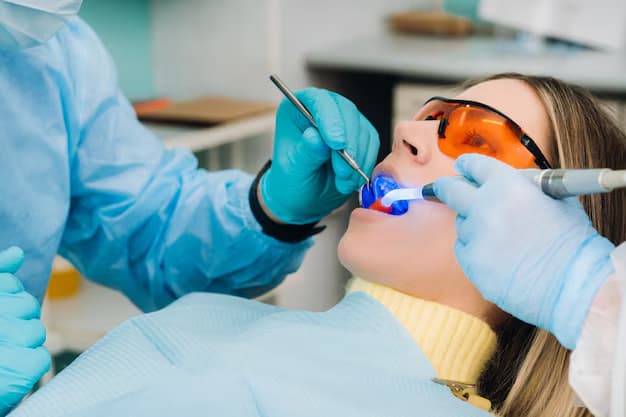
Over-the-counter products can help, but professional fluoride applications are more concentrated and targeted. Dentists can apply fluoride directly to exposed root areas, where it’s most needed, rather than spreading it evenly across all teeth.
For patients seeking fluoride treatment in Sherman Oaks, professional care is often recommended when sensitivity or root exposure is already noticeable, not just as a preventive measure.
The Bigger Picture: Fluoride Isn’t a Standalone Fix
One of the most important conversations dentists have with adults experiencing gum recession is about expectations. Fluoride helps protect what’s exposed, but it doesn’t regrow gums.
That’s why effective care often includes:
- Identifying what caused the recession
- Adjusting brushing technique
- Managing clenching or grinding
- Monitoring gum stability over time
At Clove Dental Sherman Oaks, fluoride treatment is positioned as one piece of a long-term plan, not a quick patch.
What Patients Often Notice After Fluoride Treatment
Many adults report that sensitivity becomes more manageable and less unpredictable. Cold drinks sting less. Brushing feels more comfortable. Over time, teeth feel more stable rather than fragile.
These changes may seem subtle, but they often prevent the cycle of worsening sensitivity that leads to more invasive treatment later.
A Smarter Way to Think About Fluoride and Gum Recession
Fluoride doesn’t reverse recession, but it can significantly improve quality of life and tooth longevity when gums have already receded. The real value lies in timing, using fluoride early enough to protect roots before decay or severe sensitivity sets in.
For adults researching fluoride treatment in Sherman Oaks, the most important takeaway is this: fluoride isn’t about turning back the clock. It’s about slowing it down.
FAQs
Can fluoride reverse gum recession?
No. Fluoride cannot regrow gum tissue. Its role is to protect exposed tooth roots and reduce sensitivity once recession has already occurred.
Why do exposed roots feel more sensitive than the rest of the tooth?
Tooth roots lack enamel and sit closer to the nerve. This makes them more reactive to temperature changes, brushing, and acidic foods.
Is fluoride treatment safe for adults?
Yes. Professional fluoride treatments are widely used for adults and are especially beneficial for those with sensitivity, gum recession, or higher cavity risk.
How long does fluoride protection last on exposed roots?
The protective effect can last several months, particularly when combined with appropriate brushing habits and ongoing dental care.
Do I still need professional fluoride if I use sensitive toothpaste?
Often, yes. Sensitive toothpaste helps manage symptoms, but professional fluoride is more concentrated and can be applied directly to vulnerable root surfaces.
Should fluoride be part of gum disease or recession care?
It can be a helpful supportive treatment. Fluoride protects exposed roots, but it works best alongside care that addresses the underlying cause of gum recession.