
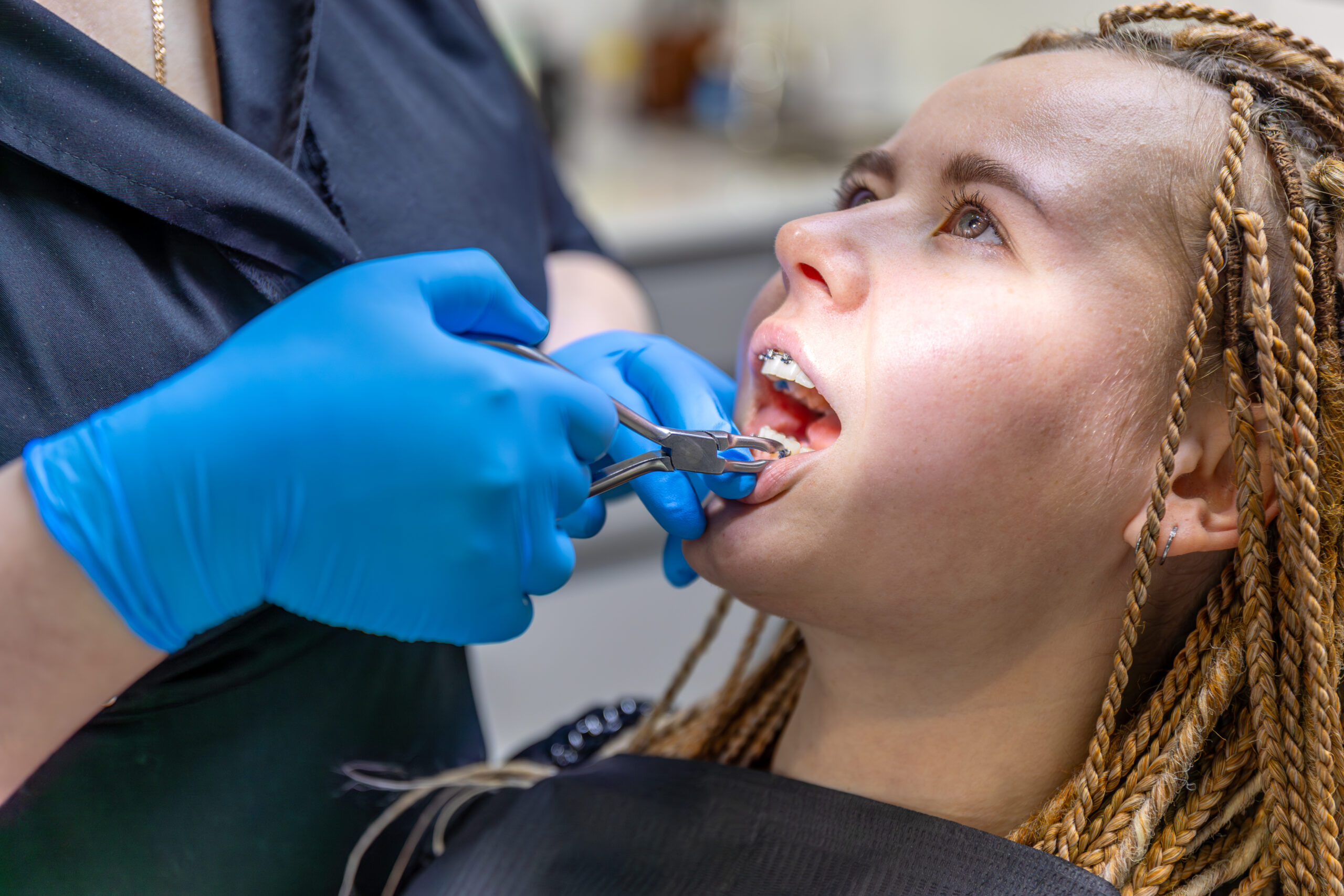
Getting a tooth extraction isn’t something most people look forward to, but the good news is that recovery is usually simple if you take the right steps. What really matters is what you do after you leave the dental chair. Small habits can either help your mouth heal quickly or slow things down more than you’d expect.
At Clove Dental Sherman Oaks, patients are guided through every step of recovery so they know exactly how to care for their smile at home. Many people don’t realize that a few common mistakes can lead to pain, infection, or a condition called dry socket. Let’s go through what to avoid so your recovery stays smooth and stress-free.
1. Not Taking Aftercare Instructions Seriously
After an extraction, you’re usually given a list of dos and don’ts. It might seem like a lot in the moment, but those instructions are there to protect the healing area.
The most important thing happening in your mouth right now is the formation of a blood clot. This clot acts like a natural shield. If it gets disturbed, healing slows down and discomfort increases.
If you follow the instructions, your body will heal better.
2. Rinsing Your Mouth Too Early
It’s tempting to rinse your mouth right away, especially if there’s a taste of blood. But doing that too soon after a tooth extraction can actually do more harm than good.
Strong rinsing or spitting can loosen the clot before it settles. That’s why it’s better to wait at least 24 hours. After that, gentle saltwater rinses can help keep things clean without causing damage.
3. Smoking Too Soon
If you smoke, this is one habit you’ll want to pause. Smoking after an extraction is one of the fastest ways to run into problems.
The suction from inhaling can pull out the clot, and the chemicals in tobacco can slow down healing. Many cases of dry socket are linked to smoking during recovery.
Taking even a short break from smoking can help you heal faster.
4. Eating Foods That Are Too Hard or Crunchy
Your food choices are very important, especially after a tooth extraction. After the procedure, your mouth needs gentle care and should not be under pressure.
Crunchy snacks, spicy meals, or anything sticky can irritate the area or get stuck in the socket. That can lead to discomfort or even infection.
Soft foods like soups, yogurt, or mashed potatoes are much easier on your mouth. As healing improves, you can slowly go back to your regular diet.
5. Using a Straw
This one surprises a lot of people. Drinking with a straw may seem harmless, but after an extraction, it’s not a good idea.
The suction created by a straw can pull the clot out of place. Even a small change can reveal what’s underneath and cause pain. For a few days, it’s better to sip directly from a glass.
6. Skipping Pain Relief or Medication
Some people avoid taking their medicine to feel better. It might seem okay at first, but it can make getting better harder.
Pain relievers help keep you comfortable, and if antibiotics are given, they help prevent infection after a tooth extraction. Skipping doses or stopping early can slow down healing. When you follow your medication routine, it really helps keep your progress steady.
7. Touching the Area Constantly
It’s natural to be curious about where the tooth extraction happened. You may find yourself unconsciously moving your tongue there.
Even when they look clean, your hands can still spread bacteria. Let the area heal on its own without touching it.
8. Getting Back to Heavy Activity Too Fast
Jumping straight back into workouts or physically demanding tasks can cause issues after an extraction.
Activities that raise your heart rate can also increase bleeding at the site. That can delay healing and make things uncomfortable. Giving yourself a day or two to rest helps your body begin the healing process and recover more smoothly.
9. Not Managing Bleeding the Right Way
A little bleeding after a tooth extraction is completely normal. The key is how you handle it. Biting gently on gauze helps control bleeding and supports clot formation.
The more you talk, chew, or keep looking at the area, the more likely the bleeding is to continue. If the bleeding seems heavy or doesn’t stop, it’s best to have it looked at by a professional.
10. Skipping Follow-Up Visits
You get the results after the procedure; however, the follow-up visits are necessary to manage your healing completely.
They allow the dentist to check if everything is healing as expected. When proper checking is done by the dentist, it helps to find small concerns that may turn into bigger issues.
At Clove Dental Sherman Oaks, we take follow-up care seriously because healing is just as important as the treatment itself. Our focus is on easy recovery, helping you stay comfortable by avoiding complications.
When Something Doesn’t Feel Right
Most recoveries go easily, but it’s important to trust your instincts. After a tooth extraction, certain signs shouldn’t be ignored.
Watch out for
- Pain that gets worse instead of better.
- Swelling that doesn’t go down.
- A bad taste that won’t go away.
- Fever or unusual discomfort.
These are often little signals that something may need to be checked.
Simple Ways to Heal Faster
Healing doesn’t have to be complicated. A few small habits can make a big difference after an extraction
- Rest and avoid overexertion.
- Stick to soft foods for a few days.
- Keep your mouth clean gently.
- Stay hydrated.
- Follow all care instructions.
Consistency is what helps your body recover naturally.
Conclusion
A smooth recovery after a tooth extraction comes down to simple, mindful care. Most complications happen not because of the procedure, but after treatment.
Give your mouth a little break while it heals. Staying away from smoking, straws, and hard or spicy foods can help reduce irritation and keep things comfortable. If you do simple care, it speeds up the recovery in the long run.
Taking recovery seriously now can save you from unnecessary pain later and make the whole experience much easier to handle.