
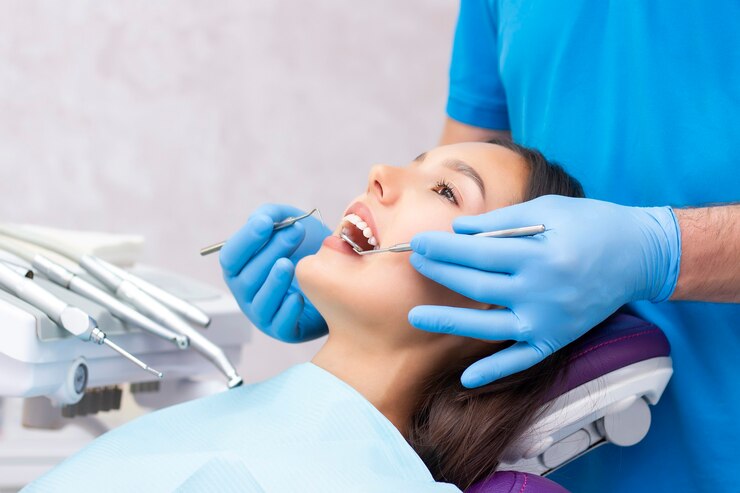
Why do so many people start searching “dental in Sherman Oaks” almost immediately after the holidays end? It’s not a coincidence, and it’s not just about New Year’s resolutions. The post-holiday period consistently reveals dental issues that were quietly building for weeks or even months. Once routines return and distractions fade, discomfort that was easy to ignore suddenly becomes impossible to put off.
For dental practices in Sherman Oaks, January and early February bring a clear pattern: patients who didn’t plan to need dental care, but now realize something isn’t quite right.
What Changes During the Holidays That Affect Teeth
The holidays subtly disrupt routines. Sleep schedules shift, diets change, alcohol and sugar intake increase, and stress often peaks. Even patients with good oral hygiene may brush less consistently or postpone appointments they meant to schedule.
In dental in Sherman Oaks searches, dentists frequently see the after-effects: teeth that were coping under normal conditions start showing signs of strain once habits are temporarily altered.
Why Symptoms Appear After, Not During, the Holidays
One of the most surprising patterns is timing. Many patients don’t feel pain during the holidays. Symptoms emerge later.
That’s because inflammation, cracks, and nerve irritation often lag behind the triggering behavior. Once life slows down in January, the body has space to register discomfort that was previously drowned out by activity and adrenaline.
This delayed response is a major reason dental in Sherman Oaks searches spike after the holidays, not before.
The Most Common Issues Patients Report
Post-holiday dental visits often involve patterns rather than isolated problems. Dentists commonly hear patients describe:
- New or worsening tooth sensitivity
- Pain when biting down
- Old fillings are suddenly feeling “off.”
- Jaw soreness or headaches from clenching
- Gum tenderness or bleeding
These symptoms rarely mean something dramatic happened overnight. They usually signal that something small crossed a threshold.
Stress, Clenching, and the Silent Damage
Holiday stress is a major contributor, especially for working adults. Clenching and grinding increase during stressful periods, even in people who don’t normally notice the habit.
In dental in Sherman Oaks, post-holiday exams frequently reveal cracked teeth, stressed fillings, or inflamed jaw joints that patients never felt while the stress was actively happening.
The Role of New-Year Decision Making
Another factor driving January dental searches is psychological. The new year brings a shift from postponement to action. Patients who ignored mild symptoms in December often decide they don’t want to “carry this into the year.”
Insurance benefits resetting also plays a role. Patients suddenly feel it’s the right moment to address issues they’ve been aware of, but not ready to deal with.
Why Early Appointments Matter More Than Patients Realize
The timing of post-holiday care often determines how complex treatment becomes. Teeth evaluated in January are more likely to need monitoring, adjustments, or conservative treatment. The same teeth evaluated months later may require significantly more intervention.
That’s why dentists emphasize that dental in Sherman Oaks visits early in the year are often preventive, even when prompted by discomfort.
What Patients Are Usually Relieved to Hear
Many patients worry that post-holiday pain means serious damage. In reality, dentists often find manageable issues caught at a fortunate moment.
At Clove Dental Sherman Oaks, post-holiday visits are commonly about reassurance paired with early action, helping patients understand what changed, why they’re feeling it now, and how to stop it from progressing.
A More Honest Way to View Post-Holiday Dental Care
Searching “dental in Sherman Oaks” after the holidays isn’t a failure of discipline or care. It’s a natural response to how stress, routine disruption, and awareness interact.
The key isn’t avoiding these searches; it’s responding to them promptly and thoughtfully. When dental issues surface early in the year, they often give patients a chance to address problems while solutions are still simple.
FAQs
Why do my teeth start hurting more after the holidays?
Holiday stress, changes in routine, clenching, and delayed dental visits often combine to trigger symptoms once life slows down and routines return.
Is this mainly caused by sweets and holiday food?
Sugar can contribute, but most post-holiday dental issues are linked to stress, grinding, and existing dental work reacting to temporary habit changes.
Should I wait to see if post-holiday dental symptoms go away on their own?
Waiting can allow small issues to progress. Early evaluation often leads to simpler, more conservative treatment.
Do dental offices really see an increase in visits after the holidays?
Yes. January and early February consistently bring a rise in appointments related to delayed care and newly noticeable symptoms.
Can stress really affect teeth that much?
Absolutely. Clenching and grinding during stressful periods are common causes of cracks, sensitivity, and jaw discomfort.
When is the best time to schedule a dental visit after the holidays?
As soon as symptoms appear, or early in the new year for preventive evaluation, even if discomfort is mild.