
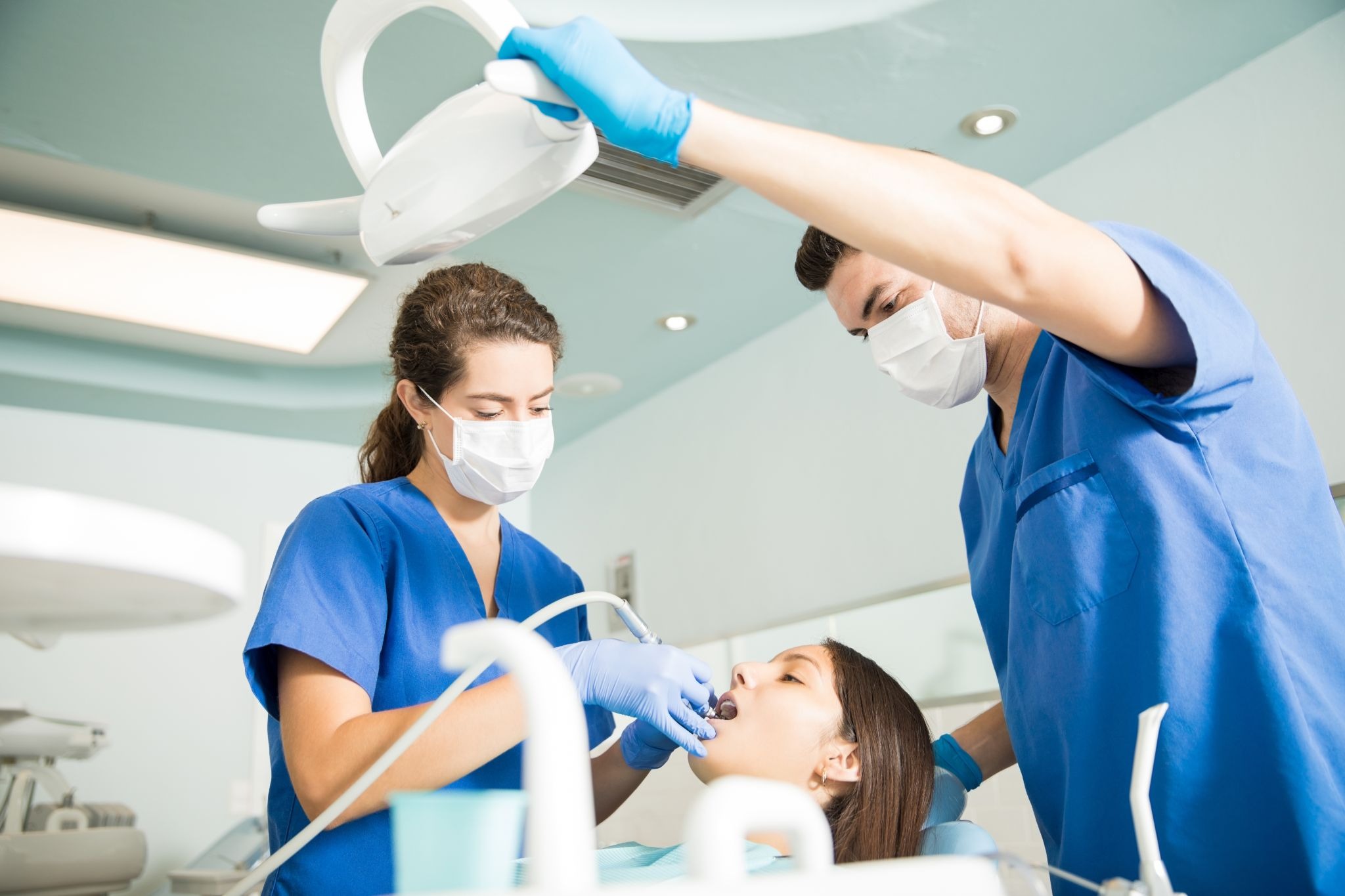
Having a tooth extraction can make many people nervous, particularly if they are afraid of going to the dentist or if they anticipate the extraction will be more complicated. Fortunately, there are a number of different ways to make treatment more comfortable for patients today using sedation. Your qualified sedation dentist will suggest the safest and most effective choice as per your health, comfort and the type of extraction you need.
Having an understanding of each option will help you be more confident before your appointment.
Why Sedation Is Sometimes Recommended
While not all tooth extraction procedures will need sedation, it can be beneficial in many cases. A sedation dentist is beneficial for patients who suffer from extreme dental anxiety, a strong gag reflex, poor sitting still or impacted wisdom teeth.
Sedation can also help to make longer procedures seem shorter and can help alleviate stress during treatment. Dentists will keep track of your heart rate, breathing and comfort during the treatment, and sedation will help you relax.
What Are the Main Sedation Options?
There are a number of different types of sedation for teeth and each of the types is used for a specific purpose.
Nitrous Oxide
N2O (Nitrous Oxide) is also known as laughing gas, and it is one of the mildest types of sedation. It is inhaled through a small mask that covers the nose and helps to make you feel calm in minutes. The benefits of the procedure last for a short time and many patients are able to resume their normal routines after the procedure.
This treatment may be recommended for a patient who is mildly anxious or who has a shorter, simpler extraction.
Oral Sedation
Oral sedation involves taking a prescribed medication before your appointment. It produces a stronger effect of relaxation than nitrous oxide but you will still be conscious and able to follow instructions.
This drug may last for a while so you will need someone to drive you home after your visit. This choice might be right for people who are moderately nervous about visiting the dentist.
IV Sedation
IV sedation is delivered directly into the vein and the dentist can administer more or less sedation during the dental treatment. Many patients have little to no recollection of what happened after the appointment, which is why it is a favorite of patients who have major dental fears or patients needing surgical removal of teeth.
A sedation dentist who is experienced knows how to keep the patient safe and comfortable during IV sedation.
How Do You Know Which Option Is Right?
That depends on multiple personal factors, and is not a one-size-fits all solution.
Your dentist will take into account:
- Your level of dental anxiety
- The complexity of the tooth extraction.
- Your medical history
- Current medications
- An individual’s past experiences of dental care.
- Your overall health
These are important details that will assist in deciding which sedation option offers the optimum level of comfort and safety.
Safety Always Comes First
The use of dental sedation by trained professionals has a very good safety record. A sedation dentist will check your medical history and discuss your allergies and medications. A dentist also explains what to expect before, during and after your sedation treatment before recommending any of the options.
It is also crucial to follow the instructions for preparation and recovery. Depending on the type of sedation used, you may need to avoid eating before your appointment or schedule someone to pick you up after your appointment.
Preparing for Your Tooth Extraction
Knowing what will happen before your visit can minimize uncertainty.
Prior to treatment, it is advisable to
- Provide full medical history.
- Discuss any medications/supplements used.
- If fasting instructions are given, follow these.
- Arrange a ride home if oral or IV sedation will be used.
- Wear a dress comfortably for your appointment.
Before treatment at Clove Dental Sherman Oaks, we take the time to answer the questions so that our patients understand the recommended sedation option and feel prepared for the procedure.
Recovery After Sedation
Depending on the sediment used, recovery will differ. Oral and IV sedations will require more time for recovery, and nitrous will typically wear off in minutes.
The sedation dentist will give a detailed post sedation care plan, which will cover the management of pain, time to eat and what to avoid while recovering. By following these steps, you can recover from a tooth extraction more smoothly and reduce the risk of complications.
You should also call your dentist if you are in extreme pain, bleed heavily, have extensive swelling, or have any symptoms that are abnormal during the healing process.
Why Personalized Care Matters
All patients react differently to dental care. What is successful for one may not be successful for another. A customized evaluation enables the sedation dentist to suggest care that’s tailored to your specific requirements rather than a one-size-fits-all approach.
Our mission at Clove Dental Sherman Oaks is to deliver comfortable treatment and support our patients in making well-informed choices about their oral health. Familiarity with your choices can make the process much less stressful and can help to increase your confidence before treatment.
Conclusion
The type of sedation used for a tooth extraction will depend on the individual’s comfort level, medical history and the complexity of the procedure. Regardless of the type of sedation used (nitrous oxide, oral, or IV), the first step is to consult with a qualified sedation dentist about your fears.
If you are properly prepared and guided, your tooth extraction can be a more comfortable and reassuring experience from start to finish.