
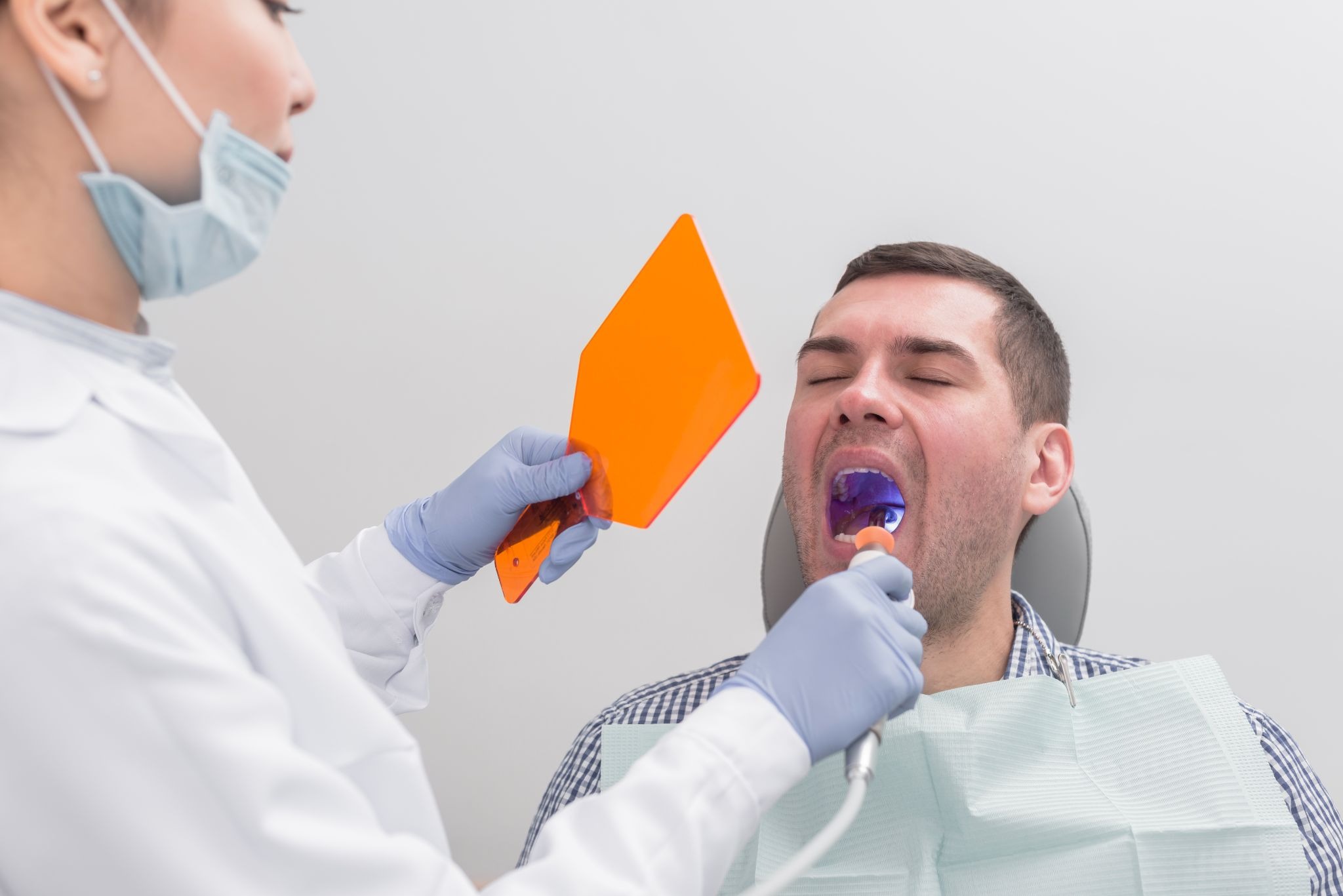
Typically, oral cancer starts with changes in the mouth, but when not diagnosed and treated early, can progress beyond where it began. Early recognition of the signs and symptoms can have a significant impact as it provides patients with more options for treatment and helps improve outcome. That’s why oral cancer screening in Sherman Oaks is essential to dental care even if you don’t have any symptoms or pain.
There are many other early changes that are subtle, and routine dental care is helpful in detecting issues before they get more serious.
How does oral cancer spread?
Oral cancer typically begins in the tissues of the lips, tongue, cheeks, gums, roof of the mouth or floor of the mouth. As it advances, the cancer cells can spread into the surrounding tissues. They may be able to spread to the nearby lymph nodes or, in more advanced cases, to other parts of the body through the lymphatic system or blood.
Not all cases are alike. There are some cancers that develop slowly and others that develop quickly. It is for this reason that regular oral cancer screening in Sherman Oaks is advised for adults, particularly those who have any risk factors.
What signs may suggest oral cancer has progressed?
As the oral cancer progresses, symptoms become more apparent. These are not always indicators of metastasis, but they should never be disregarded.
Persistent swelling in the neck
A lumps or swelling in the neck is a very common symptom. This can mean that the cancer has spread to nearby lymph nodes. If the lymph node doesn’t get better in a few weeks, check it with a health care provider.
Difficulty swallowing
When it becomes painful or hard to swallow food, liquids, or even saliva, it can indicate that the cancer has invaded the tissues or muscles in the head and neck area around the esophagus.
Changes in speech
As the oral cancer progresses, it can involve the tongue or other parts of the mouth necessary for speech. Pronunciation of words may become hard or speech sounds may change for no other apparent reason.
Ongoing pain
If the pain persists or radiates into the jaw, ear, throat or neck, it should be attended to. Many dental diseases can be uncomfortable and may cause pain, but if the pain persists after treatment then it should be investigated further.
Unexplained weight loss
It can become difficult to get food into your mouth when you have advanced oral cancer and may result in lost appetite and weight loss. This symptom tends to occur in conjunction with other warning signs, not singly.
Who has a higher risk of developing oral cancer?
Although oral cancer can develop in anyone, there are some factors that make it more likely.
Common risk factors are:
- Tobacco consumption (cigarettes, smokeless tobacco)
- Frequent alcohol consumption
- Human papillomavirus (HPV), especially some of the high-risk variants
- Excessive sun exposure to the lips.Too much sun to the lips.
- History of oral cancer before.
- As age increases, so can being affected, though younger adults can be affected too.
Individuals who do not have these risk factors should not think that they are safe. Then, in the early stages, many patients with oral cancer do not have any warning signs, which is why oral cancer screening in Sherman Oaks is a valuable preventive service.
Why are routine screenings so important?
Early diagnosis is crucial to the treatment of oral cancer. A dentist thoroughly checks the lips, tongue, cheeks, gums, palate and throat for any unusual sores, discoloration, lumps or other abnormalities during a screening.
The exam is fast, easy and usually done as part of a normal dental check-up. As part of comprehensive dental care, these evaluations are performed at Clove Dental Sherman Oaks when appropriate, to help identify changes the patient may not be able to detect.
Regular oral cancer screening in Sherman Oaks also provides a baseline for comparison down the road. Any change in tissue characteristics between visits is likely to be promptly noticed.
When should you schedule an evaluation?
Do not wait until pain is intense to get treatment. Any sore, red or white patch, lump or area of irritation that persists for more than two weeks should be looked at.
Further indications to make an appointment:
- Poor oral intake of food and/or fluids; failure to swallow.
- Persistent hoarseness
- Mouth or lip numbness
- Dentally unexplained loose teeth
- A persistent pain in the mouth that doesn’t go away.
If you or your loved ones experience these signs and symptoms, you should look into oral cancer screening in Sherman Oaks and your concerns will be addressed in a timely manner and referred to other tests if needed.
What happens if something unusual is found?
The presence of an abnormal area doesn’t necessarily indicate that you have cancer. When you see a dentist, many oral conditions may look alike such as infections, irritation and benign growths.
If a questionable area is detected, your dentist may want to watch it, refer you to another specialist, or have a biopsy to determine the exact diagnosis. At Clove Dental Sherman Oaks, we strive to empower patients to grasp their results and to help them understand the most suitable next steps clearly and compassionately.
Patients who receive regular oral cancer screening in Sherman Oaks will be able to solve issues before they get worse.
Conclusion
While oral cancer can start with very mild changes, as the disease progresses, it can cause symptoms that impact swallowing, speech, the nearby lymph nodes and health. Noticing ongoing shifts and getting immediate expert assessment may result in a more timely diagnosis and subsequent treatment.
Oral cancer screening in Sherman Oaks is one of the best methods for early detection of any abnormal tissue changes, and provides more peace of mind and better long-term oral health.