
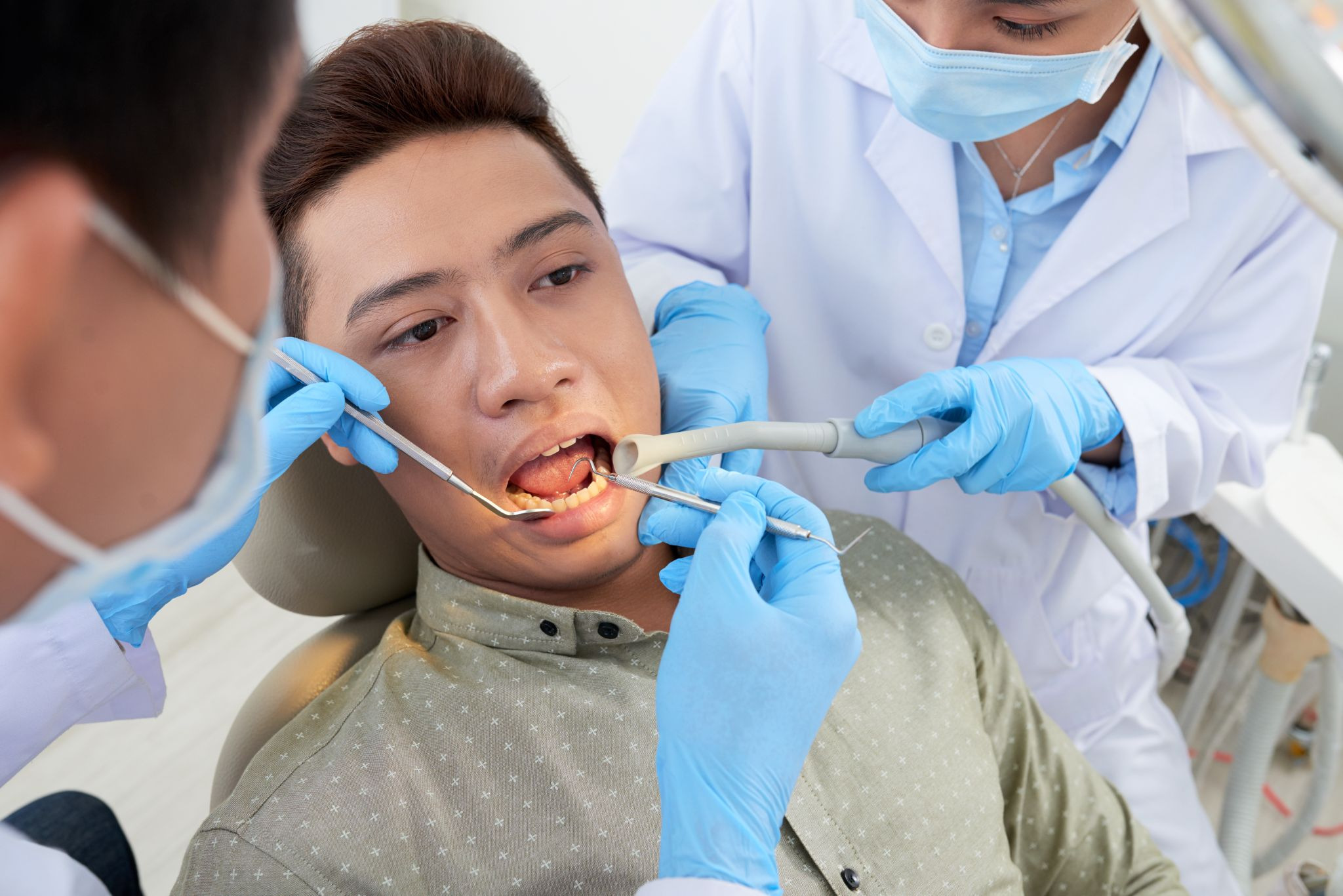
Activity is a component of a healthy lifestyle, but recovery will be a priority following wisdom teeth removal. If you’re a runner, a weightlifter, a sports enthusiast or just a walker, you need to allow your body to recover to avoid any issues. With careful planning and execution, a recovery plan can make the process of recovering from surgery less painful, help to keep the surgical site safe, and help you get back to your normal routine safely.
The team of dentists in Clove Dental Sherman Oaks helps patients understand the recovery process after wisdom teeth removal to ensure a comfortable experience and preserve their oral health.
Why Rest Matters After Wisdom Tooth Surgery
Your body starts the healing process straight after the wisdom teeth removal. Blood fills the empty tooth sockets and hardens, which secures the bone and nerves below the sockets. Such clots are needed for healing.
If you start exercising before the pain subsides from the surgery or before your blood pressure or heart rate gets to an adequate level, it could disrupt these clots, which can lead to bleeding or a painful condition called dry socket. Your mouth will heal best in its first 24-48 hours with rest.
If you are feeling fine, keep in mind that healing is going on for several days below the surface.
When Can You Start Being Active Again?
Healing is unique for every person, but most people go through a gradual process following wisdom teeth removal.
First 2 days: Rest & no exercise at all. Everybody can walk around the house without any problem, except for activities that cause breathing problems.
From days 3 to 5, most patients are feeling better and may be able to start taking gentle walks with improvement in swelling and bleeding. Limit heavy lifting, vigorous exercise and contact sports during this phase.
After the first week, many individuals can gradually resume moderate exercise, if it is safe for them and the dentist feels that the healing process is normal. If you’re feeling comfortable, then more challenging exercises are next. If you don’t feel comfortable, go back to less challenging activities and ask for a professional’s advice.
Our team can give you suggestions according to your recovery.
Listen to What Your Body Is Telling You
Signs that you may be overdoing it after your wisdom teeth removal. If you experience any throbbing around the extraction site, if you notice any more swelling, bleeding or if the pain during or after activity increases, stop and rest.
Doing something despite the pain does not hasten the healing process. Rather, it can prevent healing and make complications more likely.
Proper hydration, proper nutrition, and sleep are all important to help heal your body and restore your energy levels over time.
Eat Foods That Support Healing
The meals one chooses during recovery can be very important. Soft foods are foods that do not put much stress on the surgical area and will offer your body the nutrients it needs.
Good choices include:
- Yogurt
- Applesauce
- Mashed potatoes
- Smooth soups
- Scrambled eggs
- Oatmeal after the first few days
- Smoothies drunk with a spoon rather than a straw
Prevent the use of hard, crunchy and spicy foods that could aggravate extraction areas. A straw may cause sucking and cause the protective blood clot to dislodge; try drinking from a cup.
Once healing has begun, you can gradually add back your normal diet.
Keep Your Mouth Clean Without Disturbing Healing
Good oral hygiene remains important after wisdom teeth removal, but it should be gentle.
Gently brush other teeth, but not the surgical site, for the first day. Your dentist may recommend rinsing with warm salt water after the first 24 hours to help keep the area clean.
Don’t rinse or spit hard, because it can disrupt the blood clot. After surgery, the care instructions are given to reduce the risk of infection and ensure that recovery is slow and steady.
At Clove Dental Sherman Oaks, we ensure that all our patients receive information on how to take care of their mouth during recovery.
Returning to Sports and Exercise Safely
After wisdom teeth removal, patience is key to returning to training to get back into the game.
There are additional stresses to the body with high impact sports, weight lifting, bicycling, basketball, etc. Returning too early can increase bleeding and swelling or delay healing.
Begin with low impact exercise and gradually build up to workouts. Gradually take the intensity up over a few days and see how you feel. With a return of symptoms, limit activities and give oneself more time to recover.
Patients are encouraged to ask any questions about their exercise regimens prior to surgery, so they can have an idea of what recovery will be like.
Know When to Contact Your Dentist
After wisdom tooth removal there will be some pain, swelling and slight bleeding, but some symptoms are more serious and need to be addressed.
- If you have any of the following symptoms, please contact your dentist:
- Excessive bleeding that fails to stop.
- Extremely painful several days after the surgery
- Continued swelling that gets worse.
- Fever or chills
- When it’s hard to swallow or breathe
- Pus or an unpleasant taste that will not go away
Early treatment can keep minor issues from becoming bigger issues.
Conclusion
Healing from wisdom teeth removal involves taking the time your body needs to heal and taking appropriate action with regard to exercise, diet and oral hygiene. Gradually starting exercise helps prevent the surgical site from being compromised and also lessens the possibility of complications. By following your dentist’s instructions and paying attention to your body’s signals, you can safely get back to your active lifestyle. We are here to help you with any questions or concerns you have regarding wisdom tooth removal or recovery.