
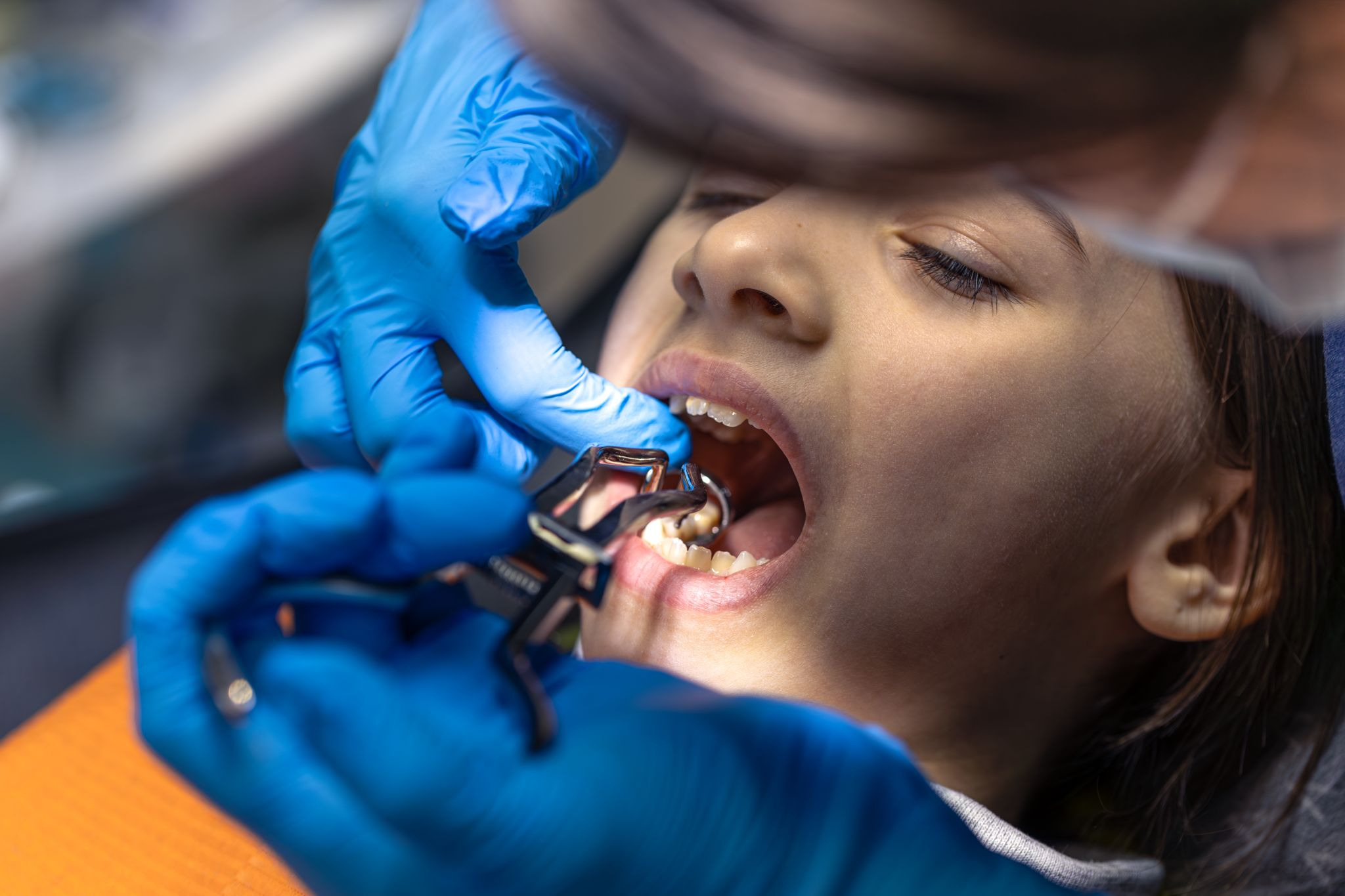
Dental Inlays are used to help fix broken or damaged teeth, while maintaining more natural tooth structure than a full crown. They are long-lasting, natural-looking and are often suggested after the filling wears down. Following treatment, one may experience some discomfort and wonder how much discomfort is acceptable and when it may be a concern.
When you’ve recently received an Inlay and are looking for inlays near me, it’s important to know what to expect after the procedure. It can also help to protect your restored tooth if you know what to look for when determining if the healing is normal or if there are symptoms that demand professional care.
Is It Normal to Feel Pain After a Dental Inlay?
Yes. Some discomfort or tenderness after a dental Inlay placement is typically part of the healing process. Your tooth has been cleaned, shaped and bonded with a custom fit restoration, so it might take a few days for the surrounding tissues and nerves to relax.
You may notice
- A slight aching sensation when chewing food
- Sensitivity to hot or cold foods
- Soreness of the tooth area being treated
- Some mild pain during the initial few days
These signs and symptoms may resolve slowly over 1-2 weeks. The majority of patients will be able to eat their normal diet the same day without very hard or sticky foods for a few days.
If you’ve been doing your research on the best “inlays near me”, it is crucial to remember that correct positioning and top quality materials are a major aspect of an easy recovery.
What Causes Discomfort After an Inlay?
There are a number of factors that can lead to temporary discomfort following treatment.
Your Tooth Is Adjusting
Although the damaged area of the tooth has been filled, the inner nerve may be sensitive for some time. This is particularly prevalent when the cavity/fracture is near the pulp.
The Bite Needs Minor Adjustment
In some cases, the new Inlay will be a little higher than the other teeth. The slightest variation in the thickness of the bite can cause pressure to be applied when the person is chewing, causing pain or discomfort to the jaw. It’s typically a quick fix with your dentist.
Bonding Materials Need Time to Settle
New cements establish an excellent bond between the tooth and the cement, but the tooth and surrounding tissues require time to adapt to the cement.
People who are seeking “inlays near me” would likely appreciate the opportunity to discuss some of these options prior to treatment so they can find out what they can anticipate afterwards.
How Can You Reduce Discomfort at Home?
Sensitivity following treatment can be controlled with regular home care.
Helpful tips include:
- Gently brush with soft bristled toothbrush.
- If recommended, use toothpaste for sensitive teeth.
- Do not chew hard foods for a few days after treatment.
- Try to keep very hot or cold foods to a minimum while sensitivity is developing.
- Use over-the-counter pain drugs only under your dentist/physician’s orders.
A lot of people looking for “inlays near me” are shocked to find that it is possible to recover from the injury a lot faster and more pain free by sticking to these simple guidelines.
How Long Should Recovery Take?
Each patient will recover differently, but the majority of pain will resolve in the first week. Mild temperature sensitivity can persist for several weeks, but eventually will go away.
If the symptoms do not get better, or if they get worse, rather than waiting, get a follow-up appointment. There are small changes that can often restore comfort in no time.
One crucial factor to consider while comparing providers for “inlays near me” is the practice’s dedication to long-term care.
Can an Inlay Fail?
Carefully treated, dental Inlays can last for many years and are very effective. As with anything else that is restored, however, there are problems that can arise, though.
Potential complications include:
- Wear over time
- Grinding/clenching damage.
- The presence of new decay around the restoration
- Prolonged use with failure of the bond.
By having regular dental check-ups, these problems can be discovered and treated early, before they need more complex treatment. Keeping regular appointments is one of the best ways to keep your inlay investment safe and help you retain your natural tooth.
How Can You Help Your Inlay Last Longer?
Good habits over the long term are essential for success.
Minimize the risk of damage to your restoration by:
- Fluoride toothpaste twice a day.
- Gently flossing around the treated tooth.
- Using a night guard if you clench or grind your teeth.
- Restricting foods and beverages that are high in sugar.
- Regular check-ups with the dentist for preventative measures.
These are not only habits that will help you have a longer-lasting Inlay, but will also help minimize the chances of additional decay in surrounding teeth.
Our mission at Clove Dental Sherman Oaks is to restore teeth to a comfortable and natural function that will promote long-term oral health. When looking for “inlays near me”, opting for personalized care and routine check-ups can contribute to long-lasting outcomes.
Conclusion
After a dental Inlay, some sensitivity is normal but typically will diminish within days to a couple of weeks. Notice your symptoms can help you figure out if you are healing normally or if you need medical attention. If the pain is intense, ongoing or if you still find it difficult to chew comfortably, don’t delay, reach our dentist right away.
Patients looking for “inlays near me” will find that recovery will be smoother if they choose to work with a dental team that has experience in this procedure, and if they adhere to post-treatment instructions, they can help their restoration stay strong and comfortable for many years.