
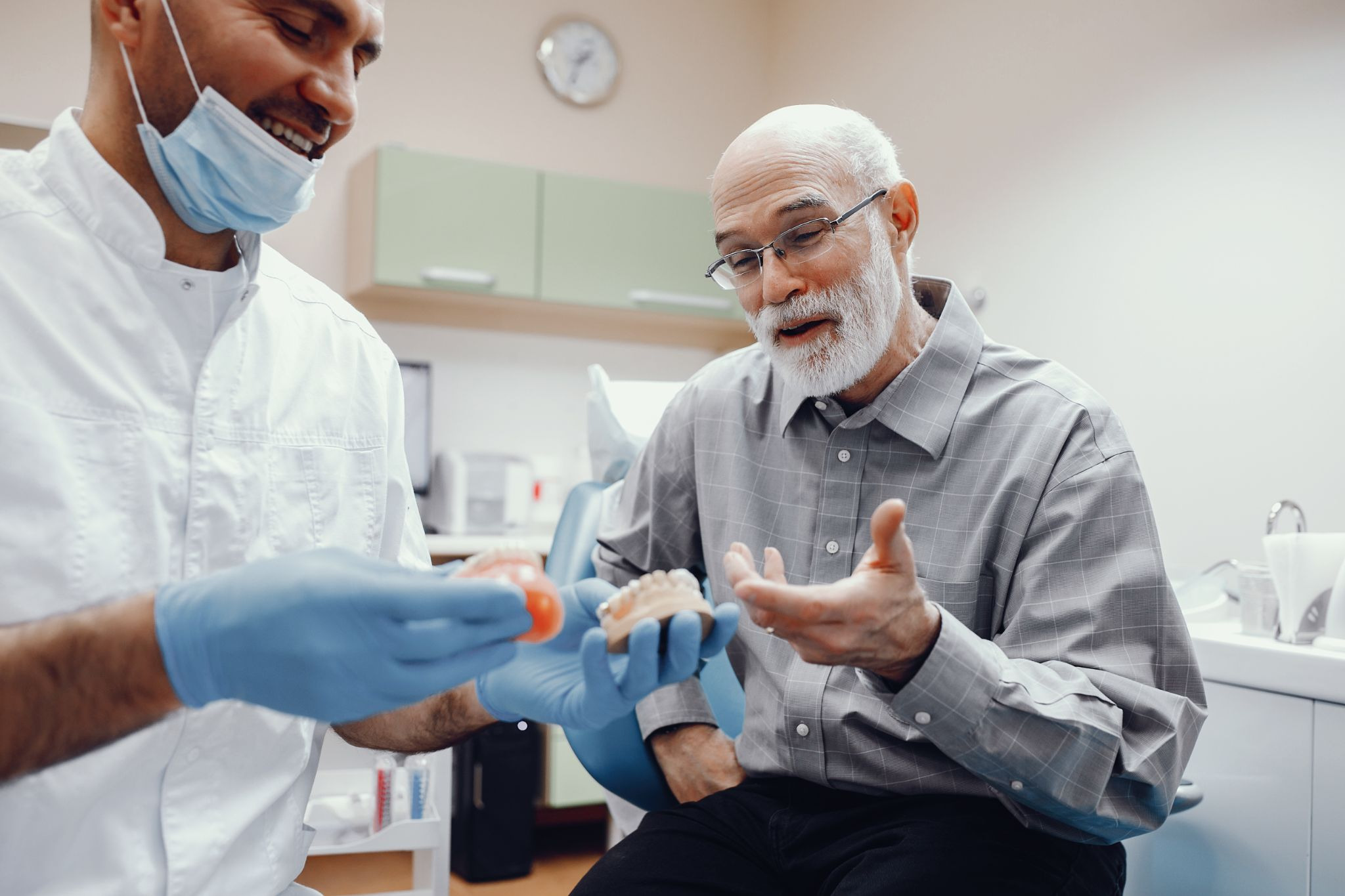
One of the most important aspects of achieving a more beautiful smile is to have a dental bridge fitted in place. It’s designed to fill gaps in the teeth and aids in chewing better whilst reducing mobility and shifting of the teeth. Once the numbness has worn off and you start moving your mouth like normal, you may be surprised to discover a tightness in your bridge.
Most people aren’t aware that reaction is more prevalent.
If you are receiving a new bridge or a new bridge restoration, your teeth will look different in that situation and even if you do not need a new bridge, a new fitting can feel strange initially. The trick is to be able to distinguish a normal adjustment period from something that needs a closer look. After receiving dental bridges in Sherman Oaks, it’s crucial to understand the effects that are taking place in your mouth to alleviate stress during healing.
Why Does a New Dental Bridge Feel Different?
Many individuals are surprised and amazed to find that after receiving a new dental bridge, it is not 100% natural. It fits your mouth but needs to be adjusted by your teeth, gums and bite. The initial few days feel tight or, possibly, slightly uncomfortable at first, especially while eating.
Just like new shoes, it is as if they are just right and they have to get used to them. This is what happens in a dental bridge, too. It’s a common adjustment for a person who has been fitted with a dental bridges in Sherman Oaks, and will gradually diminish until the bridge feels natural.
Will the Bridge Ever Feel Completely Natural?
A frequent question we get is, “Will I always be aware of its presence?”
People generally will refuse.
The bridge becomes natural to you as you use it more and more over time. Your brain adjusts to the new shape and bite and the thought is put out of your mind when you eat, talk or smile. It’s the same as when you initially put together a new watch or new pair of glasses, but over time it’s something you hardly notice.
Every child is different and the transition period will vary. It takes some days for some, several weeks for others, before everything is natural again. The experiences are not uncommon.
While it is important to follow your post-bridges instructions, spending time to adjust to your dental bridges in Sherman Oaks can be as important.
How Can You Help Your Bridge Last for Years?
If cared for correctly, a dental bridge will endure for many years. Remove and clean brush around the bridge each day and do routine dental visits. The supporting teeth should be fairly healthy and strong to ensure the stability or strength of the bridge.
Avoid also things like chewing ice, or using your teeth to open packaging. If you are consistent in proper oral care, then dental bridges in Sherman Oaks can yield long lasting results.
Why Follow-Up Visits Matter
Although the bridge may fit as soon as it’s fitted, there can be a slight adjustment period as surrounding teeth and muscles grow accustomed to their new environment. So subsequent appointments are crucial for this reason.
During these visits, your dentist will ensure that the bridge fits comfortably, your gums are healing, and your bite is even. An adjustment is usually very easy and swift to make when necessary, and is usually made early.
At Clove Dental Sherman Oaks, we’re eager to hear from our patients when they feel they aren’t being completely comfortable. A bridge should not impede daily activities and even minor adjustments to the bridge can have a significant effect.
Many patients opt for dental bridges in Sherman Oaks to have those follow-up visits is as reassuring as having them treated is. If you have all of the knowledge that you’re healing perfectly, you can put your trust in the routine.
Conclusion
Some slight tightness following the placement of a dental bridge is common, but should be nothing to worry about. Eating is often uncomfortable, and it may be a sign that your mouth is adapting to a very well-designed inlay that fits well. That usually is a feeling that goes away as the days go by, and the bridge looks like a natural smile piece.
The most important thing is to pay attention to how your mouth responds. Mild pressure that improves over time is expected, but ongoing pain, difficulty biting, or a bridge that never feels comfortable deserves a professional evaluation.
If you’re considering dental bridges in Sherman Oaks or have questions during your recovery, staying in touch with your dental team can make the process much smoother. With proper care, regular checkups, and good oral hygiene, dental bridges can provide dependable function, restore your confidence, and support your oral health for years to come.