
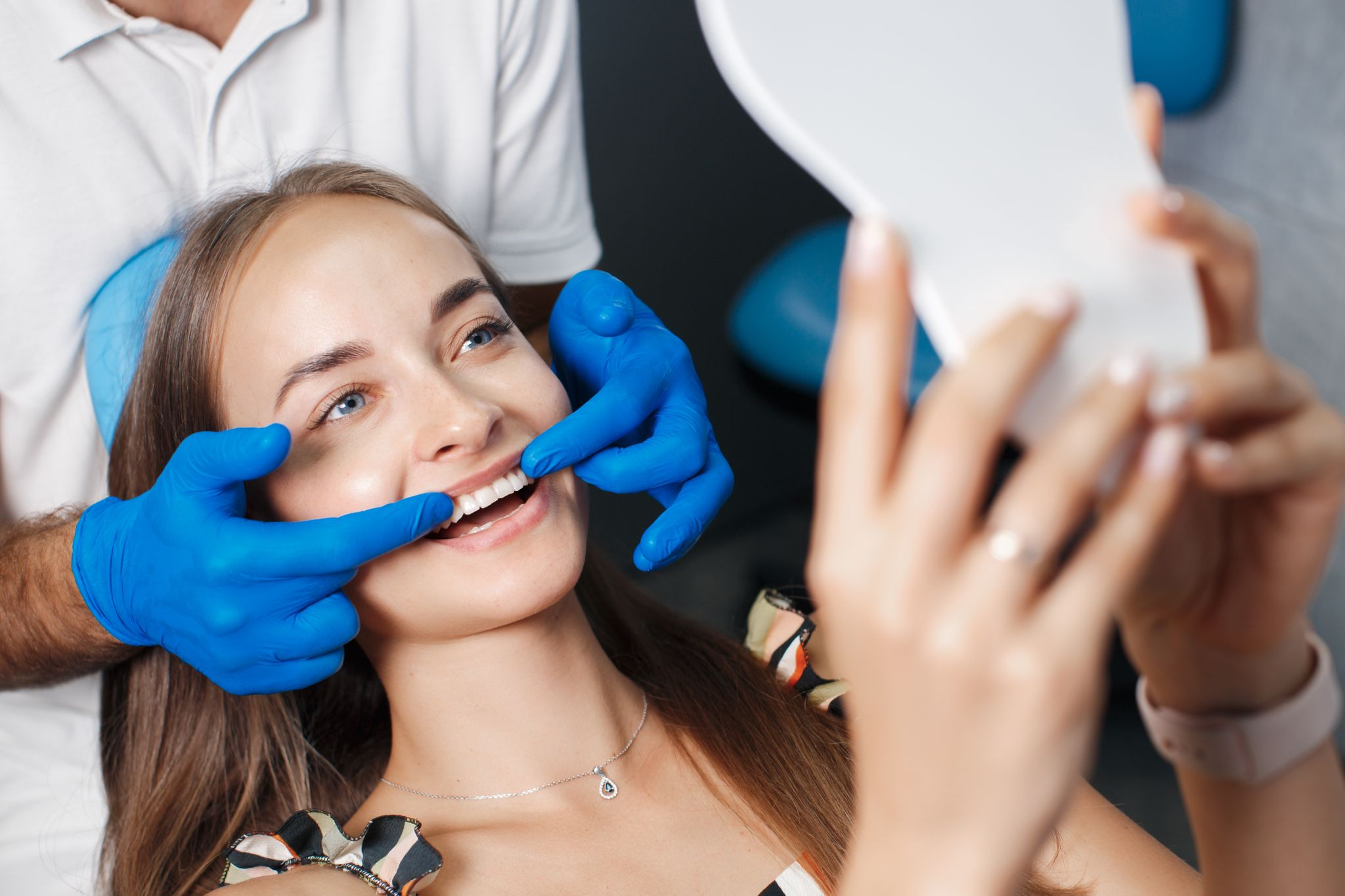
Some people think twice a day of fluoride toothpaste is sufficient for keeping cavities at bay. Although fluoride is a key component of the oral health care tools, it is not a cure-all for tooth decay. The development of cavities is a multi-step process that can affect anyone even those who brush their teeth well.
If you know what causes cavities, you will be better able to make choices to protect your oral health. In addition to day-to-day brushing and flossing, professional care, healthy habits and regular exams are all important. You can learn more about how fluoride works in the context of the whole situation if you are searching for fluoride treatment in Sherman Oaks.
Why Isn’t Fluoride Toothpaste Enough by Itself?
Fluoride toothpaste makes enamel more resistant and can reverse very early enamel mineral loss. But it can’t overcome poor oral habits or a constant exposure to cavity-causing bacteria.
Even when you brush every day, there are a number of things that can make your chances of cavities higher:
- Snacking on sugary or acidic foods regularly
- Medications and/or health-related dry mouth.
- Failing to floss between the teeth.
- An accumulation of plaque around the gum line
- Failure to regularly have your teeth professionally cleaned
These factors help bacteria to stay alive longer and make it easier to develop cavities even with regular fluoride toothpaste.
Why Professional Fluoride Makes a Difference
Professional fluoride has a greater amount of fluoride than toothpaste sold in the store. It remains on the teeth longer and offers extra protection of the enamel that might be under stress.
Fluoride treatment in Sherman Oaks is beneficial to many children and adults simply because it helps to harden vulnerable areas before cavities can form. It is particularly beneficial for patients who have a history of frequent cavities, dry mouth, braces or higher risk for decay.
When evaluating cavity risk, we take the time to understand each patient’s specific cavity risk at Clove Dental Sherman Oaks. The objective is to deliver services to meet the needs of the individual, and not to the average person.
Other Habits That Help Prevent Cavities
Brushing every day is still important, but when it is coupled with the following healthy habits, it provides greater protection.
The following is a list of the steps which are good cavity prevention:
- Brushing for two full minutes twice each day
- Flossing daily between teeth/areas that the toothbrush cannot reach.
- Eating, drinking water throughout the day
- Reducing sugary foods and drinks
- Eating a proper diet rather than grazing all day long
- Making routine dental visits and dental cleanings.
When fluoride is integrated into these daily habits, patients who receive fluoride treatment in Sherman Oaks get the most benefits.
Are Some People Naturally More Likely to Get Cavities?
Some people seem to be more prone to cavities than others. Unfortunately, oral health can be more complicated for some, despite diligent efforts.
Examples include:
- Naturally weaker enamel
- Reduced saliva production
- Tightly packed teeth that are not easily cleaned.
- Current dental fillings and other restorations that trap plaque.
- Oral health problems that might result from a medical condition.
- Certain prescription medications
In these kinds of situations, it is even more crucial to monitor them regularly. Fluoride treatment in Sherman Oaks could be more often recommended for certain patients, especially if they have a higher risk of developing decay, to help strengthen enamel before it becomes a problem.
How Can You Tell If a Cavity Is Starting?
Early cavities may not cause any pain. Many people will not be aware of a problem until the cavity grows in size.
Look out for:
- Dental fluorosis, or white or chalky patches on teeth
- Sensitivities to sweet and/or cool foods
- Some slight pain with chewing.
- Blackish patches or holes.
- Food that gets stuck in a place over and over again
Regular dentist check-ups can help detect areas of decay early, which may prevent the need for more extensive treatments. Early diagnosis often equals more conservative treatment.
When Should Professional Fluoride Be Considered?
Many patients will benefit from extra protection, although not everyone does.
A dentist might recommend a fluoride treatment in Sherman Oaks if you:
- Develop cavities frequently
- Have dry mouth
- Wear braces/orthodontics.
- Cavities in the root of the tooth which are open to food and fluid.
- Drink sugary drinks frequently.
- Recently had some dental restoration work done
The best time to use a professional fluoride is when it is part of a comprehensive preventive care plan, not as a replacement for proper home care.
Building a Strong Long-Term Prevention Plan
Cavity prevention is a process, not a product or just one treatment. While using fluoride toothpaste is a great start, regular professional cleanings and proper oral hygiene will help keep you protected.
At Clove Dental Sherman Oaks, we are dedicated to determining each patient’s specific risk factors and suggesting preventive measures that are tailored to their needs. Depending on a person’s specific needs, they may have a lot of help to prevent future dental issues, including routine cleanings, dietary advice, or fluoride treatment in Sherman Oaks.
Conclusion
Regular brushing with fluoride toothpaste is one of the most important habits to protect teeth, but is not responsible for stopping all cavities. A few factors contribute to the development of tooth decay: bacteria, food, oral care, saliva and an individual’s risk.
A comprehensive prevention programme would involve regular dental check-ups, routine home care, and if necessary, fluoride treatment in Sherman Oaks to help harden the teeth’s enamel, and thus make them less likely to decay again in the future. Once you have the big picture, you can take steps to maintain long-term healthy teeth and gums.