For most people, oral cancer means cigarettes and excessive drinking. For most people, oral cancer associated to smoking and heavy alcohol consumption, and it makes sense. These are common risk factors that raise the risk of developing the disease. However, they are not the only ones. Oral cancer is diagnosed in many people who have never smoked or consumed heavy alcohol.
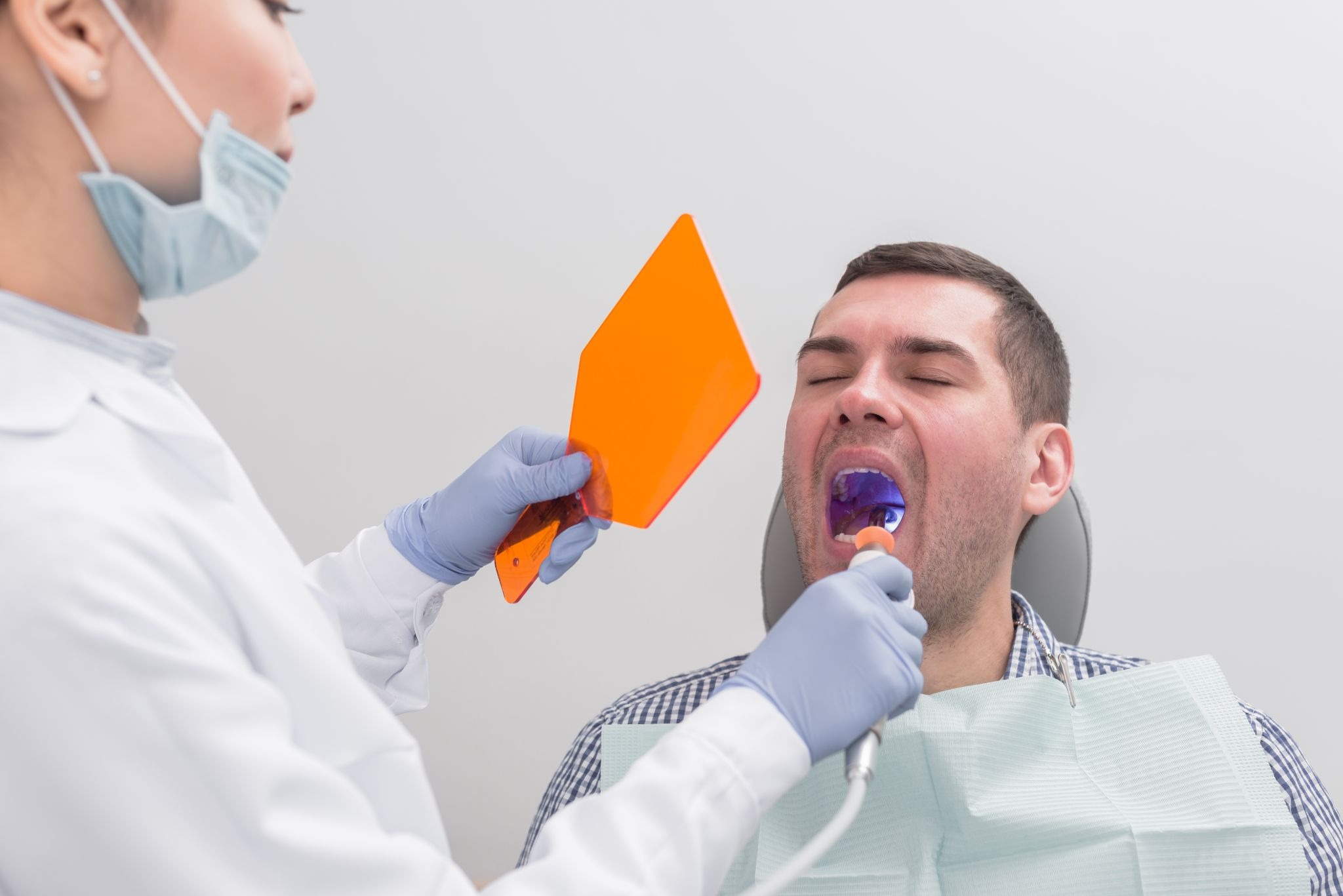
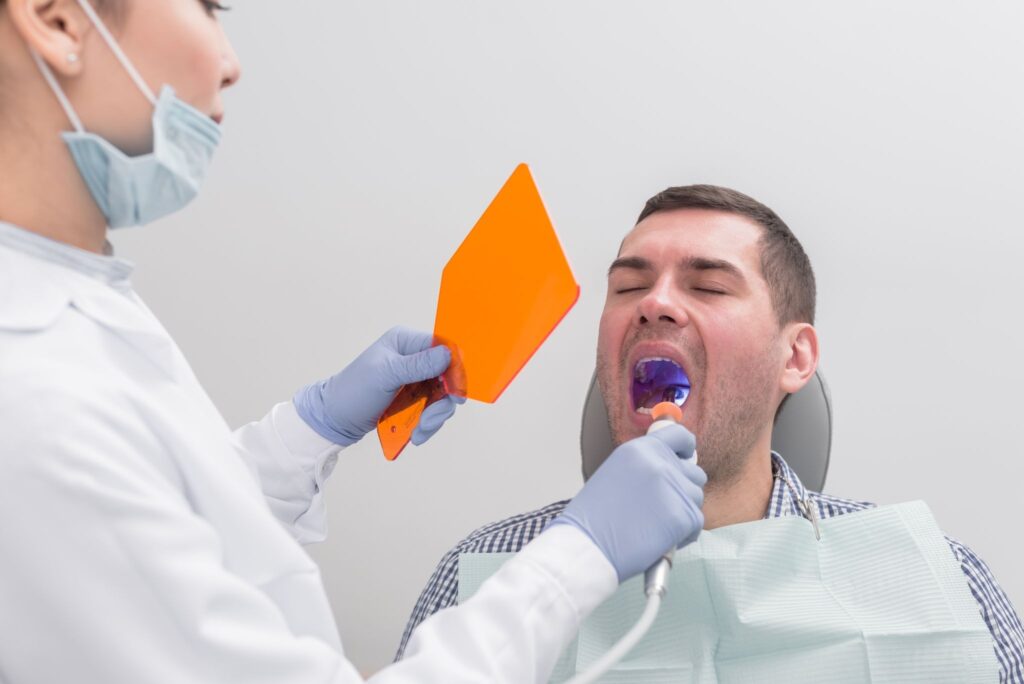
Here are some of the lesser talked about risks that you should be aware of and make informed decisions on your health. Regular oral cancer screening is equally important as it allows dental professionals to detect abnormal changes in time before they get more serious.
Why Oral Cancer Can Affect More Than Just High-Risk Individuals
Oral cancer occurs when abnormal cells start to grow in the mouth, tongue, lips, cheeks, gums or throat. These changes are caused by lifestyle habits as well as genetic, infectious, environmental and overall health.
Early oral cancer may not be associated with any pain, so many people do not realize that there is a problem until the cancer has advanced. That’s why adults need to have oral cancer screening as part of their preventive dental care.
Human Papillomavirus (HPV) Is a Growing Risk Factor
One of the fastest-growing causes of oral cancer is infection with certain types of human papillomavirus (HPV), particularly HPV-16. HPV related oral cancers are often found in the back of the mouth and can occur in younger adults who have never smoked.
HPV infections are very common, and most are self-resolved with no health consequences. However, over time, persistent infections can lead to a greater risk of cancer. Oral cancer screening allows dental partners to identify changes in the mouth that could be suspicious and go unnoticed otherwise.
Long-Term Sun Exposure Can Affect the Lips
Too much exposure to ultraviolet (UV) light raises the chances of getting cancer on the lips, in particular the lower lip, which many people don’t realize. Individuals who spend significant time outdoors for work or recreation may face greater exposure over the years.
A lip balm that also contains SPF can help reduce this risk and help maintain your oral health while you protect your face from extended sun exposure.
Family History and Genetics May Play a Role
Others may have an inherited tendency to develop some cancers, such as oral cancer. While having a family history does not mean one is definitely going to get the disease itself, one should speak with a dentist about it.
An understanding of one’s own and family medical history can be useful in assessing whether additional oral cancer screening is appropriate.
A Weakened Immune System Can Increase Risk
The immune system can detect and eliminate abnormal cells before they get worse. The body may not be able to stop these abnormal cell changes if the immune system is weakened by conditions such as HIV/AIDS, certain medications or treatments such as those that suppress the immune system.
These patients require regular dental check-ups, which are more helpful as early detection can have a significant impact.
Poor Nutrition May Affect Oral Health
A healthy diet can help keep the tissues in your mouth healthy, as well as in other areas of your body. Poor diet (low consumption of fruits and vegetables) has been linked to an increased risk of some cancers.
Good nutrition does not prevent cancer, but it is a vital component of overall health in addition to routine dental care and oral cancer screening.
Chronic Irritation Should Never Be Ignored
Although irritation alone inside the mouth is not a direct cause of oral cancer, it should be treated. Sharp or broken teeth, defective dental restorations, or dentures that no longer fit properly can cause continuous irritation which needs to be assessed and treated.
These are concerns we take thoroughly into account during regular check-ups at Clove Dental Sherman Oaks as healthy tissues should heal normally when the irritating factor is removed. If the area is still unusual, a further evaluation or oral cancer screening could be suggested.
Early Symptoms Are Often Easy to Miss
Numerous early symptoms may appear insignificant initially. If you see any of these signs, you should make an appointment for an evaluation:
- Any sore that does not heal within 2 weeks
- Mouth lesions, such as red or white patches.
- A growth or mass that may develop into a tumour.
- Difficulty swallowing
- Persistent hoarseness
- Not feeling any sense of touch in the mouth or lips
- Sharp pain when chewing food or when the jaw or teeth are moved.
While these symptoms are not necessarily indicative of cancer, they should never be overlooked. Oral cancer screening will be recommended to determine if additional testing is needed if cancer is suspected.
Prevention Starts with Awareness
To minimize your risk you don’t just need to avoid tobacco and alcohol. Sun protection is essential for keeping lips healthy, as is regular dental checkups, good oral hygiene, a balanced diet, and understanding the risks and information about HPV.
Our team at Clove Dental Sherman Oaks feels that the best way to prevent dental issues is to educate patients and provide regular care. Oral tissues are checked during routine appointments, and questions are answered regarding individual risk factors. When appropriate, oral cancer screening is done to help identify concerns early. This proactive method enables us to track changes throughout the year and determine what actions to take if something looks out of the ordinary.
Conclusion
While tobacco and alcohol use are significant factors in oral cancer, they are not the only factors. There may be other risk factors, such as HPV infection, long exposure to sunlight, genetic predisposition, compromised immune system, poor nutrition and other health-related issues. Recognizing those options can help you take proactive steps to safeguard your health before signs and symptoms appear.
Regular dental appointments and oral cancer screenings offer a chance to detect signs of changes early, when treatment is more likely to be successful and less complex. Keeping up-to-date on dental news and getting prompt professional medical attention are two of the best ways to maintain your long-term oral health.