
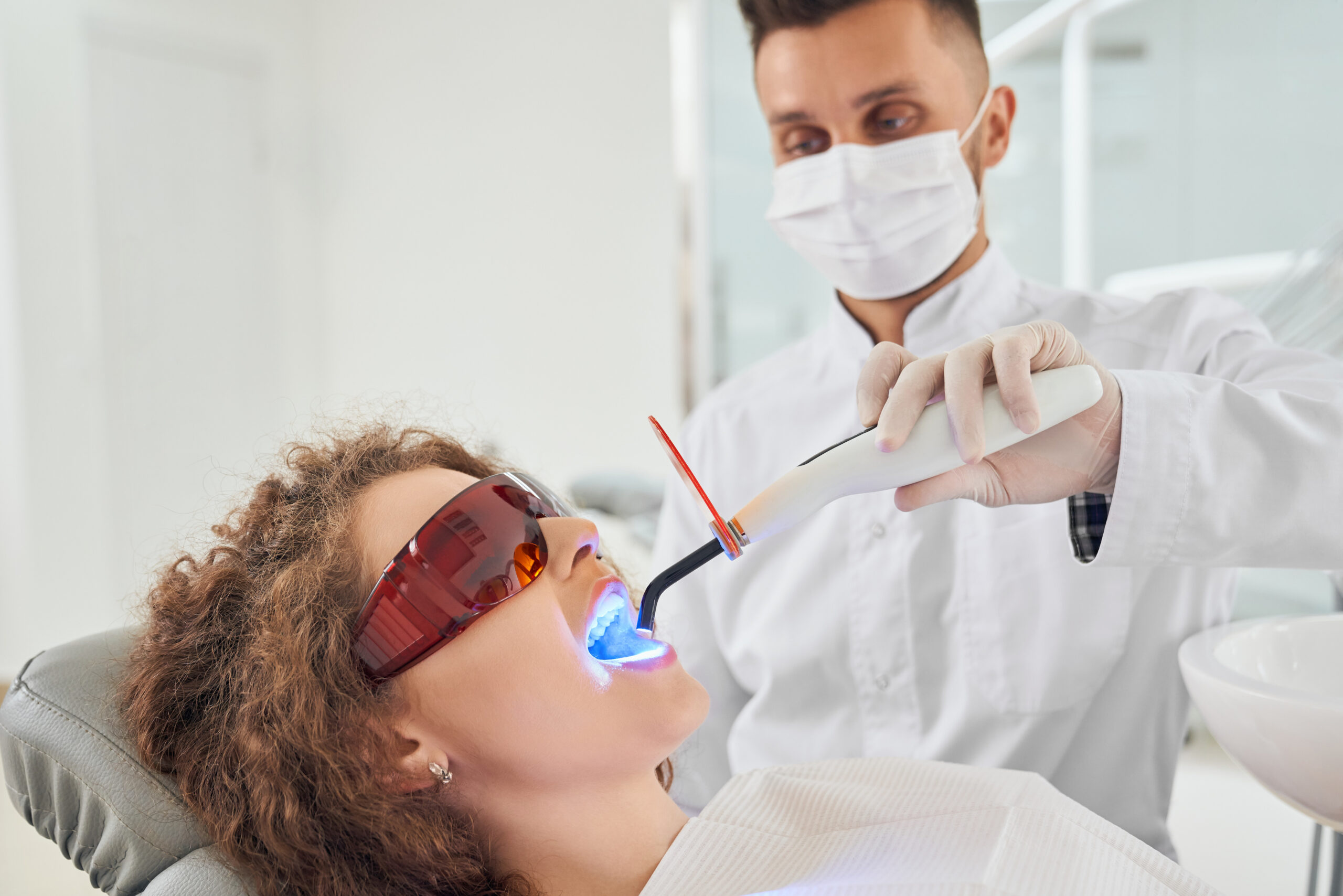
It’s easy to think that once you start getting fluoride treatments at the dentist, you’re in the clear, no more cavities. Fluoride’s reputation for toughening up enamel runs deep, and for good reason. But the truth is, some people still wind up with cavities, even if they’re totally consistent with dental visits.
So, what gives?
The problem isn’t that fluoride doesn’t work. Cavities don’t show up because of just one thing, and fluoride is only one part of a much bigger mix.
How Fluoride Really Protects You
Fluoride treatment works by beefing up your enamel, the tough outer shell of your teeth, making it harder for acids to break it down. It slows mineral loss, helps patch up sore spots in your enamel, and makes it tougher for bacteria to pump out nasty acids. That’s why dentists keep pushing fluoride as a line of defense.
But even then, it’s not a force field. It gives your teeth an advantage, but it doesn’t cancel out everything else happening in your mouth. If the daily habits aren’t supporting it, that protection can only go so far.
What You Do Every Day Matters More Than You Think
Here’s where people trip up: It’s not just about what happens in the dental chair. What you do at home makes a much bigger difference.
Let’s say you snack all day. Your teeth get hit with acid over and over. Grab sugary drinks? Bacteria love that; they get fuel to keep doing damage. Skip flossing? The gunk hiding between your teeth just piles up. So even with fluoride treatment, if your teeth are constantly under attack, that protection wears thin.
Brushing Technique Matters More Than You Think
Brushing twice a day is great, but rushing through it or missing spots means plaque sticks around, especially right where your gums and teeth meet, or in the tight spots between teeth.
If you leave plaque behind, it eventually hardens into tartar, bacteria keep making acid, and cavities can still sneak in. So slow down, use a soft-bristle brush, and pay attention to those tricky areas.
Your Diet’s a Bigger Deal Than You Might Realize
What you eat, and how often you eat it, directly affects your cavity risk. Fluoride treatment can only do so much if your diet is working against you. Soda, energy drinks, sticky candy, chips, and white bread put your enamel under stress.
And it’s not just about avoiding certain foods; constant snacking means your mouth stays acidic, making it easier for bacteria to do their thing.
Dry Mouth Can Reduce Fluoride’s Effectiveness
Saliva is your built-in cleaning crew. It helps wash away bits of food, balances out acids, and helps keep your fluoride working. But if your mouth feels dry, maybe from medication, health issues, or just not drinking enough water, bacteria get a head start, and acid hangs around longer.
That can let even a fluoride treatment lose its edge. Staying hydrated and knowing what’s causing dry mouth goes a long way.
Cavities Don’t Only Show Up Where You See Them
Fluoride does its best work on the outside of your teeth.
A lot of cavities can start:
- between teeth,
- under an old filling, or
- right along the gumline
These spots are trickier to reach, both with your toothbrush and with fluoride. If plaque gets left behind, that’s where trouble brews.
How Often You Get Treatments, and Other Risk Factors
For some people, a fluoride treatment every so often is plenty. For others, it’s not enough. Genetics, diet, and past dental history all affect the most.
If you have a higher risk, your dentist might suggest coming in for fluoride more often, using stronger products at home. It’s not just about sticking to the basics, it’s about what you actually need.
Kids and Adults Need Different Kinds of Help
Kids get a big boost from fluoride treatment because their teeth are still growing. For adults, things get more complicated. Gums can recede, dental work breaks down over time, and the risk of cavities around old fillings and crowns goes up. Sometimes, fluoride isn’t enough on its own.
Getting Help That Makes Sense For You
No two smiles are exactly the same. At Clove Dental Sherman Oaks, we see a lot of patients who do almost everything right, but cavities keep showing up.
That’s why we don’t just hand out fluoride treatments and call it a day. We look at your habits, diet, how you brush and floss, your health, everything. Then we help you build a plan that actually fits your life.
Small Changes, Big Difference
If you’re doing the fluoride thing but still having problems, a few tweaks can help:
- Sip water after you eat to keep acids at bay.
- Keep sugary snacks to a minimum between meals.
- Stick with fluoride toothpaste (yes, it matters!).
- Don’t skip flossing, it gets the spots your brush can’t.
- See your dentist for regular checkups.
At Clove Dental Sherman Oaks, we back you up with tips and plans that actually feel doable day-to-day. The best prevention is the kind you can stick with, not just on paper.
Conclusion
Fluoride treatment is a solid tool, but it’s not magic. Cavities still happen if you’re not looking at the whole picture. When you know what else is at play, your habits, what you eat, how well you clean your teeth, you’ve got a real shot at keeping those cavities away.
Bring all those pieces together, and your smile has the best chance at staying healthy for the long run. And sometimes, it’s the small changes that make the biggest difference over time. When you pay attention to those details can help you stay one step ahead of dental problems.