
When you get dental bridges in Sherman Oaks, it now feels like every meal comes with a bonus: food getting “stuck” underneath. Honestly, it’s pretty annoying, and sometimes it makes you wonder if something’s wrong.
But here’s the thing: you’re not alone. Tons of people experience this. And in most cases, it’s totally normal. The trick is knowing why it happens, plus when you should actually be concerned.
What Dental Bridges Are Supposed to Do
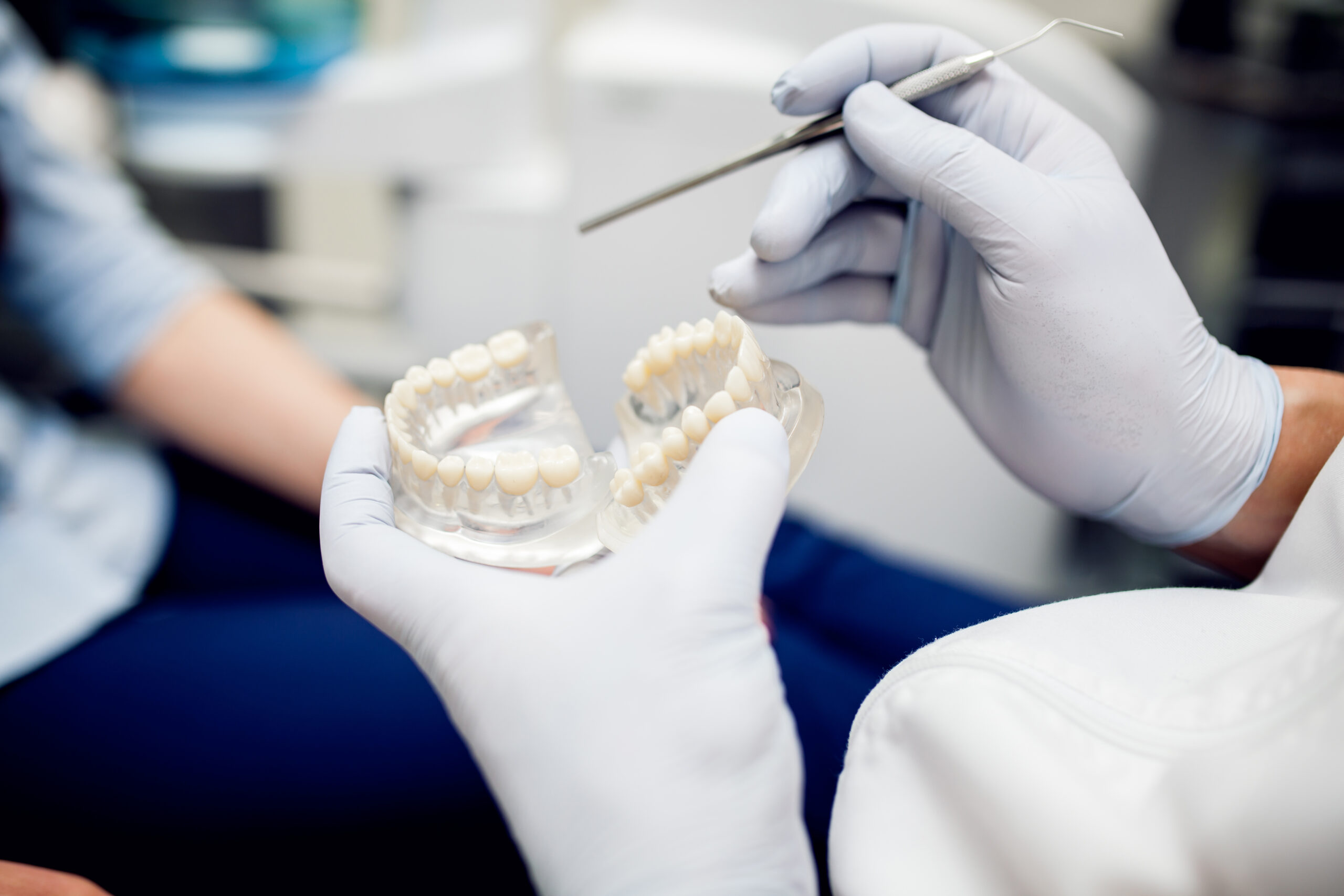
The dental bridges in Sherman Oaks fill the gap from missing teeth. Basically, it holds an artificial tooth (the pontic) between two real teeth or implants. It helps you chew, keeps your other teeth from shifting, and helps maintain the shape of your face.
But the bridge isn’t quite like a natural tooth, there’s no root anchoring it into your gums. So, the pontic sits just above your gum, not buried inside. That’s on purpose, but it leaves a little space. That gap is mostly why patients notice food collecting under their dental bridges.
Why Food Gets Trapped Under a Dental Bridge
The Space Under the Pontic
The bottom of a dental bridge is shaped so it doesn’t press down too hard on your gums. You want to avoid irritating the tissue and, honestly, make it easier to clean. But this small space turns into a pocket where food can settle after chewing, especially with bridges in Sherman Oaks.
Gum Changes
Once you lose a tooth, the gum and bone underneath can shrink. Even after your bridge is set, the gum doesn’t always fully fill the space beneath the pontic. So, little gaps show up. Your mouth might adjust over time, but food trapping under bridges is still pretty common.
Eating Habits and Food Types
Some foods are just notorious for getting stuck: think stringy meats, leafy greens, or anything sticky like dried fruit. They find their way under the bridge and, unless you rinse or clean right away, hang out until you get rid of them.
Getting Used to the Bridge
When your new bridge first goes in, your tongue and cheeks are still figuring things out. Suddenly, you notice small bits of food you probably would’ve ignored before. It’s all part of the adjustment process for dental bridges in Sherman Oaks.
Should You Worry?
It’s completely understandable to notice small changes after getting the dental bridges in Sherman Oaks and wonder if something is wrong. In most cases, this feeling is simply part of the adjustment period.
- during your first few weeks with the bridge,
- When you eat tough or sticky stuff, or
- Start a new oral hygiene routine.
With time, most people find it becomes easier to manage as they adapt their habits and improve their cleaning technique.
When It Signals a Problem
Sometimes trapped food means something’s not right: if the bridge doesn’t fit well, you’ve got gum recession, or there’s decay or infection.
If you notice a bad taste that won’t go away, swollen gums, or pain, it’s time to take it seriously and call your dentist.
How To Manage and Prevent Food Trapping
Regular brushing won’t cut it for the area under your bridge. Try floss threaders, interdental brushes, or a water flosser. Use these tools regularly, and your bridge will stay cleaner and feel nicer.
Rinsing your mouth with water after meals can also help loosen any bits before they settle in. Taking an extra minute to clean under the bridge each day can make a noticeable difference in comfort.
Watch Your Eating Habits
Small changes help a lot: cut your food into smaller pieces, chew slowly, and rinse out your mouth after you eat. These tricks make a big difference for dental bridges in Sherman Oaks.
Try to chew evenly on both sides so one area doesn’t take all the pressure. If something feels stuck, don’t ignore it, take a moment to clean it out before it builds up.
Why Maintenance Matters
When food hangs out under your bridge for too long, your gums can get irritated, your breath starts to stink, or decay pops up. Eventually, it affects the bridge and your teeth. Take care so your bridge stays comfy and reliable.
A little daily effort goes a long way in avoiding bigger dental problems later. Keeping the area clean also helps your bridge last longer without needing repairs or replacement.
What a Good Bridge Should Feel Like
If your bridge fits well, chewing feels natural, cleaning underneath is easy, and food trapping is minimized (but probably not eliminated). At Clove Dental Sherman Oaks, the focus is on getting the fit and function right so you actually forget you’re wearing a bridge.
Living With a Dental Bridge
It takes a little time to get used to dental bridges in Sherman Oaks, but most people adapt fast. With the right cleaning routine and a little awareness while eating, the “stuck food” thing becomes way less of a hassle.
You’ll likely start noticing which foods tend to cause the issue and adjust without even thinking about it. Over time, it just becomes part of your normal routine; no different than brushing or flossing.
Conclusion
Food getting trapped under a dental bridge is super common, especially at first. It happens because of the bridge’s design and how your gums change after losing a tooth. Most of the time, it’s nothing to stress about. With good tools, smart habits, and regular checkups, you tackle the problem and keep your bridge comfortable.
If things start to get painful or frequent, have your dentist check it out. With a little care, you can enjoy your dental bridges in Sherman Oaks without discomfort.